

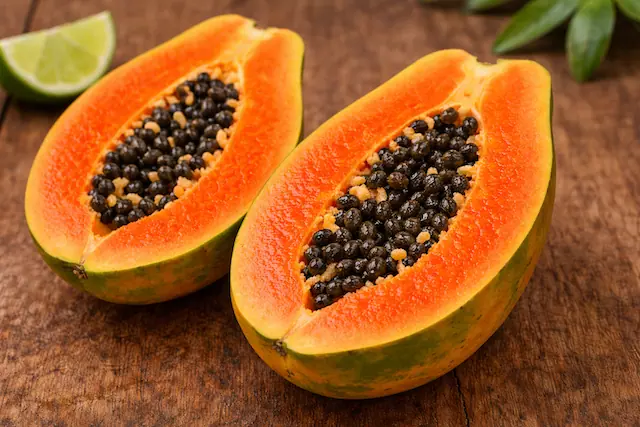
If you have ever wondered what does papaya taste like, the answer is simple. Papaya has a sweet, tropical flavor with a soft texture and mild musky notes when ripe. The taste is often compared to a mix of mango, melon, and peach. Papaya is one of the most widely consumed tropical fruits in the world, with global production exceeding 13 million tons annually, according to recent agricultural reports.
Understanding what papaya tastes like helps you decide how to eat it, whether fresh, blended into smoothies, or added to fruit bowls. The flavor also changes depending on ripeness, variety, and how the fruit is prepared.
This guide explains the flavor profile of papaya, why some people love it while others find it unusual, and how you can enjoy it at its best.
What Does Papaya Taste Like?
Papaya tastes sweet, mildly tropical, and slightly musky with a soft buttery texture when ripe. When ripe, the flavor is smooth and slightly musky with hints similar to melon and mango. The sweetness is gentle rather than intense, which makes papaya refreshing and easy to eat.
Several characteristics define papaya flavor:
Sweet tropical flavor
A ripe papaya has natural sweetness similar to honeydew melon or mango.
Soft creamy texture
The flesh is smooth and buttery, almost like a soft mango or ripe avocado.
Mild musky note
Some varieties have a musky aroma that adds complexity to the taste.
Juicy consistency
Papaya contains a lot of water, which makes it refreshing and light.
Many people describe papaya flavor as subtle rather than bold. This mild sweetness is why it pairs well with citrus juice, yogurt, or other fruits.
Why Do Some People Think Papaya Tastes Strange?
Papaya contains a natural enzyme called papain that helps break down proteins and contributes to its unique flavor profile. Some people feel papaya has a slightly musky or floral flavor, which can make it taste unusual the first time you try it. This flavor comes from natural compounds in the fruit that create its distinctive tropical aroma.
There are several reasons papaya taste can feel unfamiliar:
Natural enzymes
Papaya contains papain, an enzyme that contributes to its unique flavor and aroma.
Ripeness level
If papaya is underripe, it can taste bland or slightly bitter.
Personal taste preferences
People who prefer tart fruits may find papaya too mild.
Fruit variety
Different papaya varieties have slightly different sweetness levels.
For many people, the taste becomes more enjoyable once the fruit is fully ripe and chilled. Adding lime juice or a squeeze of lemon can also balance the flavor.
What Does Ripe Papaya Taste Like?
Ripe papaya tastes sweet, juicy, and smooth with a tropical fruit flavor that resembles melon, mango, and peach. The texture becomes soft and buttery when the fruit reaches peak ripeness.
You can usually recognize a ripe papaya by several signs.
Color
The skin turns yellow or orange instead of green.
Texture
The fruit becomes slightly soft when pressed gently.
Aroma
Ripe papaya releases a sweet tropical smell.
Flavor
The sweetness becomes more noticeable and the musky taste softens.
Eating papaya at the right stage of ripeness makes a major difference in flavor. When fully ripe, it tastes refreshing and naturally sweet.
What Does Unripe Papaya Taste Like?
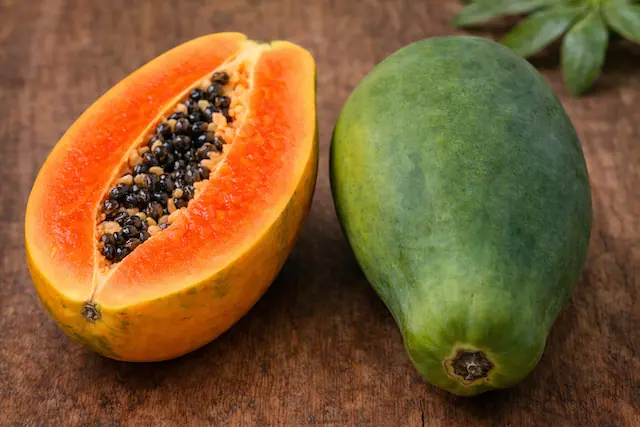
Unripe papaya tastes mild, slightly bitter, and less sweet compared to ripe papaya. The texture is firm and crunchy rather than soft, which makes it suitable for savory dishes instead of sweet snacks.
In many cuisines, green papaya is used as a vegetable rather than a fruit.
Common characteristics of unripe papaya include:
Neutral flavor
The taste is mild and absorbs spices easily.
Firm texture
The flesh remains crunchy and similar to cucumber.
Slight bitterness
Natural compounds create a faint bitter note.
Because of these qualities, green papaya works well in salads, stir fries, and pickled dishes. When cooked or seasoned, the flavor becomes more balanced.
What Does Papaya Taste Like Compared to Other Fruits?
Papaya has a mild tropical flavor similar to other fruits like mango, melon, and even dragon fruit. Papaya flavor sits somewhere between melon, mango, and peach, but it is softer and less acidic than most tropical fruits. This balance of sweetness and mildness makes papaya unique. Some tropical fruits like papaya and lychee share a refreshing sweetness that makes them popular in fruit salads.
Here is how papaya compares to several popular fruits:
Compared to mango
Mango is sweeter and more intense. Papaya is milder and less tangy.
Compared to cantaloupe
Papaya tastes similar but slightly creamier and richer.
Compared to pineapple
Pineapple is more acidic and tart, while papaya is smoother and less sharp.
Compared to peach
Papaya has a softer texture and a lighter sweetness.
These comparisons help explain why papaya is often blended with other fruits. Its mild flavor balances stronger tropical tastes without overpowering them.
How Does Papaya Texture Affect Its Taste?
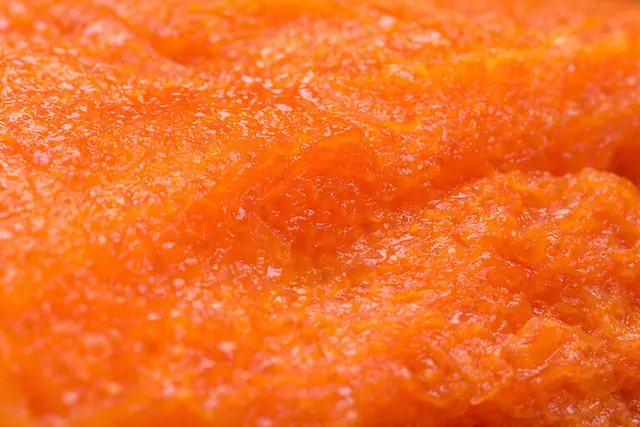
Papaya texture plays a major role in how the fruit tastes. The soft and creamy consistency enhances its sweetness and makes the flavor feel smoother on the palate.
Texture characteristics of papaya include:
Buttery flesh
The interior is soft and smooth when ripe.
Juicy structure
The fruit releases natural juices with each bite.
Low fiber content
Papaya feels smoother than many other tropical fruits.
This texture is one reason papaya works well in smoothies and fruit bowls. It blends easily and adds natural creaminess without needing dairy.
Expert Tip for Choosing the Sweetest Papaya
The sweetest papaya usually has yellow or orange skin with a slight softness when gently pressed. Avoid fully green papayas if you want a sweet flavor, because they are typically unripe and less sweet.
How Can You Make Papaya Taste Better?
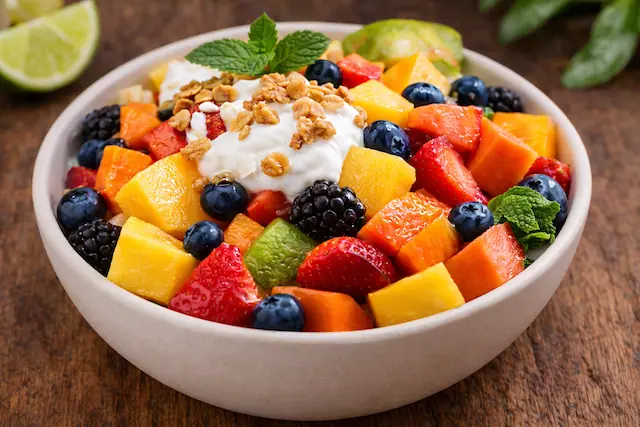
Papaya is commonly added to smoothies, desserts, and fruit bowls in many recipes. Papaya tastes best when fully ripe and paired with ingredients that enhance its sweetness. Small additions can balance the musky note and highlight its tropical flavor.
Here are a few simple ways to improve papaya flavor:
Add citrus
Lime or lemon juice brightens the fruit and reduces the musky taste.
Chill before serving
Cold papaya tastes fresher and sweeter.
Combine with other fruits
Papaya pairs well with pineapple, berries, and mango.
Use in smoothies
Blending papaya with yogurt or banana creates a smooth tropical drink.
Sprinkle with salt or chili powder
In some cultures, this combination enhances the sweetness.
These simple techniques make papaya more appealing, especially if you are trying it for the first time.
Is Papaya Sweet or Savory?
Papaya is naturally sweet when ripe, but its mild flavor also works in savory dishes. This versatility makes it popular in both fruit desserts and traditional salads. Papaya is considered a relatively healthy fruit when eaten in moderation as part of a balanced diet.
Papaya can appear in several types of dishes.
Fruit salads
The sweetness blends well with berries and melon.
Smoothies and juices
Papaya adds natural sweetness and creamy texture.
Salads
Green papaya is often shredded and mixed with herbs and spices.
Salsas
Papaya pairs well with lime, onion, and chili.
Because the flavor is gentle, papaya absorbs surrounding ingredients easily. This makes it a flexible fruit for many recipes.
Why Is Papaya Popular in Tropical Diets?
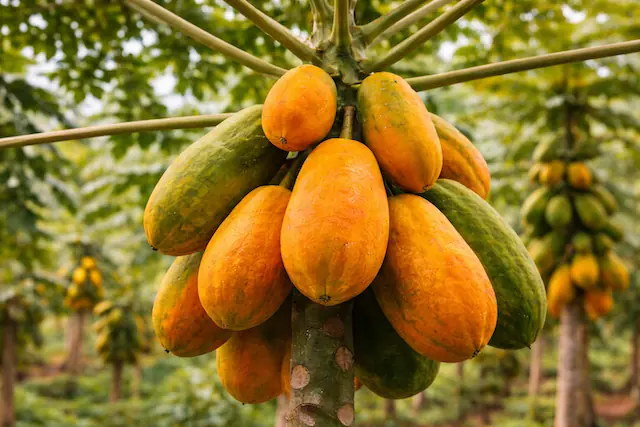
Papaya is widely recognized for its vitamins, antioxidants, and digestive enzyme papain, which supports healthy digestion according to nutrition research. It is widely consumed in tropical regions because it grows easily and offers a refreshing flavor in warm climates. Its soft texture and natural sweetness make it easy to eat at any time of day.
Several factors explain its popularity:
Year round availability
Papaya trees produce fruit throughout the year in warm climates.
Easy digestion
The enzyme papain helps break down proteins.
Hydrating fruit
Papaya contains a high amount of water.
Versatile ingredient
It works in sweet and savory dishes.
These qualities make papaya a common breakfast fruit in many countries, often served with citrus juice or yogurt.
Conclusion
If you have ever asked what does papaya taste like, the answer is a mild, sweet tropical flavor with soft texture and subtle musky notes. Ripe papaya tastes similar to a blend of melon, mango, and peach, while unripe papaya has a firmer texture and more neutral flavor.
The key to enjoying papaya is choosing a fully ripe fruit and pairing it with complementary flavors like lime or other tropical fruits. Once you experience the smooth texture and gentle sweetness, papaya can become a refreshing addition to your everyday diet.
Frequently Asked Questions
Q: Is papaya an acquired taste?
A: Yes, papaya can be an acquired taste for some people because its flavor is mild and slightly musky compared to sweeter fruits. Many people find that papaya tastes better once they try fully ripe fruit or pair it with lime juice or other tropical fruits.
Q: Is papaya sweeter than mango?
A: No, papaya is usually less sweet than mango. Mango has a stronger and more sugary tropical flavor, while papaya has a milder sweetness with subtle melon-like notes.
Q: How to eat papaya if you don’t like it?
A: If you do not like papaya, you can eat papaya in smoothies, fruit salads, or with lime juice to improve the flavor. Blending papaya with banana, mango, or yogurt often makes the taste sweeter and more enjoyable.
Q: Is papaya ok to eat every day?
A: Yes, papaya is generally safe to eat every day in moderate portions. Eating papaya daily can provide vitamins, antioxidants, and digestive enzymes that support overall health.
Q: What are the disadvantages of eating papaya?
A: The disadvantages of eating papaya mainly occur when it is consumed in large amounts or when the fruit is unripe. Some people may experience digestive discomfort, mild allergies, or sensitivity to natural compounds in papaya.
