

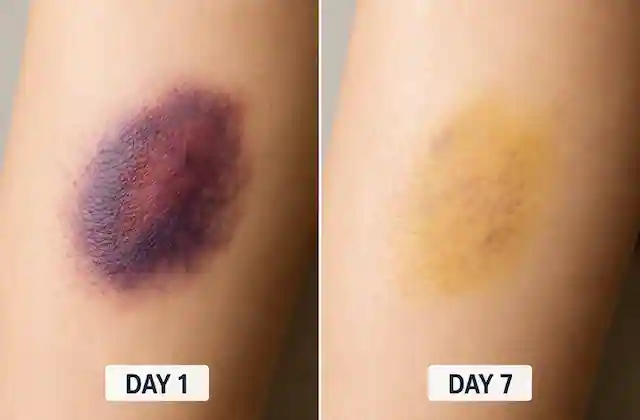
Bruises are a common skin injury, and understanding proper injury recovery can help speed up healing. If you are wondering how to heal bruises fast, the right combination of early care, home remedies, and nutrition can significantly speed up recovery and reduce discoloration.
In this article, we will explore practical, science-backed ways to treat bruises quickly, improve healing time, and avoid common mistakes that slow recovery.
How to heal bruises fast with simple at-home treatments?
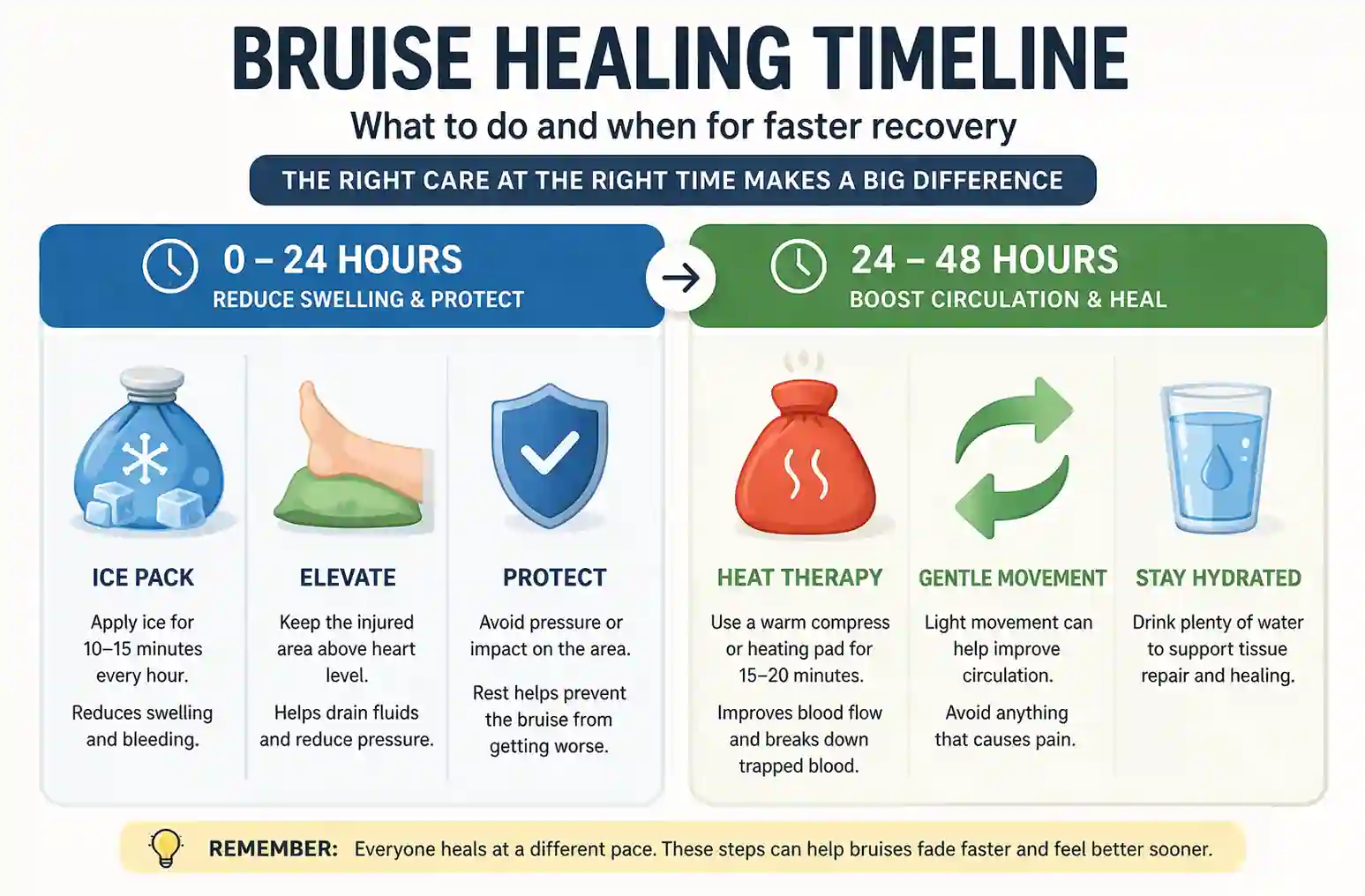
The best way to heal bruises fast is to act immediately using simple at-home treatments like rest, elevation, and cold therapy to reduce blood flow and swelling. Early intervention helps minimize damage to blood vessels and prevents the bruise from becoming larger or more painful.
When a bruise forms, tiny blood vessels under your skin break and leak blood. Your goal is to control that process early.
Here are the most effective steps you can take:
- Rest the injured area
Avoid unnecessary movement. This reduces further damage to blood vessels and limits swelling. - Elevate the affected area
Keep the bruise above heart level if possible. Elevation helps drain fluids and reduces pressure. - Apply an ice pack for bruises
Use cold therapy within the first 24 hours. Wrap ice in a cloth and apply for 10 to 15 minutes every hour. - Protect the area
Avoid pressure or impact that could worsen the bruise.
These simple actions form the foundation of effective bruise treatment at home and can significantly reduce healing time.
What is the fastest way to get rid of bruises quickly?
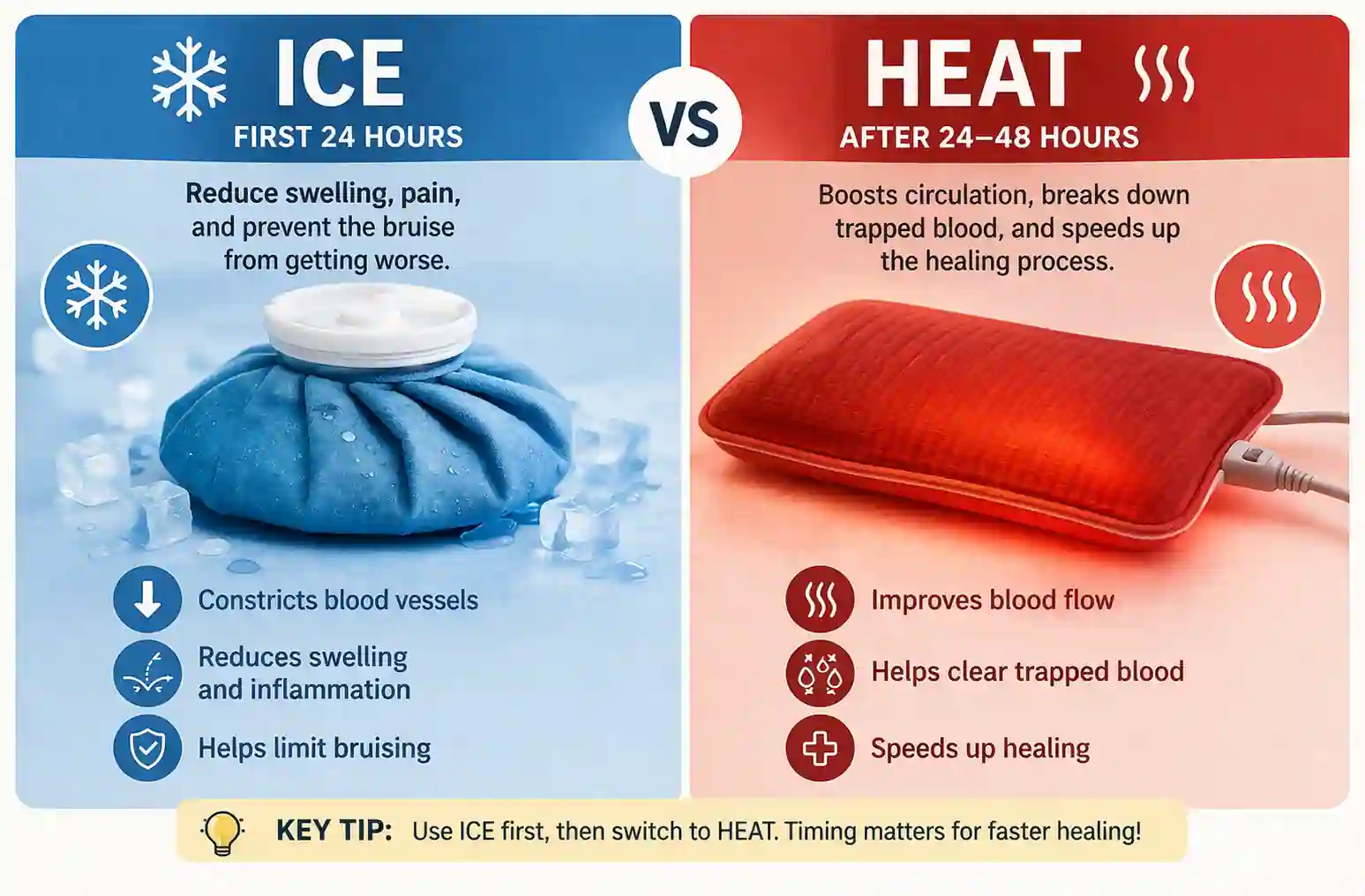
The fastest way to get rid of bruises quickly is to combine cold therapy in the first 24 hours with heat therapy afterward to improve circulation and clear trapped blood. This approach reduces swelling and speeds up the natural healing process.
Timing is critical when managing bruises.
Follow this approach:
- First 24 hours
Use ice to constrict blood vessels and reduce inflammation - After 24 to 48 hours
Switch to heat therapy for bruises using a warm compress or heating pad
This helps increase blood flow and remove pooled blood - Gentle movement
Light activity can improve circulation without worsening the injury - Hydration
Staying hydrated supports overall tissue repair
Managing stress is also important, as stress can slow healing and delay recovery. Using both cold and heat strategically is often the best way to heal a bruise faster.
How to heal bruises fast naturally at home?
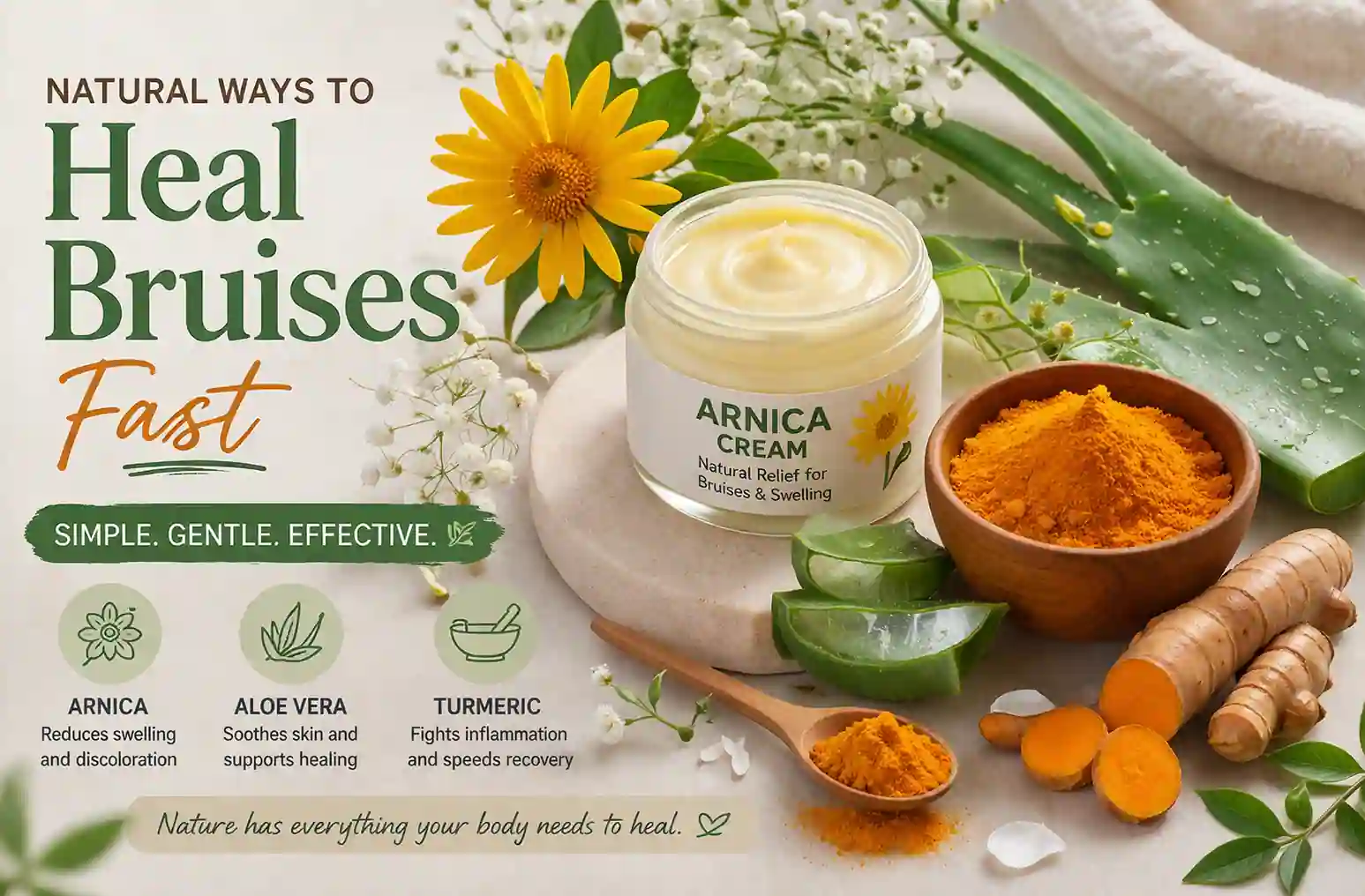
You can heal bruises fast naturally at home by using remedies like arnica, aloe vera, and anti-inflammatory foods that reduce swelling and support blood vessel healing. These natural options are widely used to improve recovery without relying on medication.
Some effective natural remedies include:
- Arnica for bruising
Applying arnica gel may help reduce swelling and discoloration - Aloe vera
Known for soothing inflammation and promoting skin repair - Vitamin rich oils
Oils containing vitamin E can support skin healing - Turmeric paste
Contains compounds that help reduce inflammation
In addition to topical remedies, natural healing also depends on your diet and lifestyle. Supporting your body internally is just as important as external care, especially when improving your body’s recovery process.
What helps bruises heal faster overnight or within 48 hours?
While bruises cannot fully disappear overnight, you can help bruises heal faster within 48 hours by reducing swelling early and improving circulation after the first day. This combination can noticeably lighten the bruise and reduce pain.
Here is what you can do:
- Apply ice immediately after injury
- Transition to heat therapy after one day
- Use gentle massage around the area to improve blood flow
- Keep the area elevated when resting
It is important to set realistic expectations. Bruises typically take several days to fade, but these steps can accelerate visible improvement.
How long do bruises take to heal and what are the stages?
Bruises typically take 7 to 14 days to heal, depending on severity, and go through distinct color stages as the body breaks down trapped blood. Understanding these stages helps you track healing progress and identify if something is unusual.
Common bruise color stages include:
- Red or purple
Fresh bruise with active bleeding under the skin - Blue or dark purple
Blood begins to clot and stabilize - Green
Breakdown of hemoglobin starts - Yellow or brown
Final stage before fading
Do bruises get darker as they heal? Yes, it is normal for bruises to darken before they improve. This is part of the natural healing process.

What foods and vitamins help heal bruises faster?
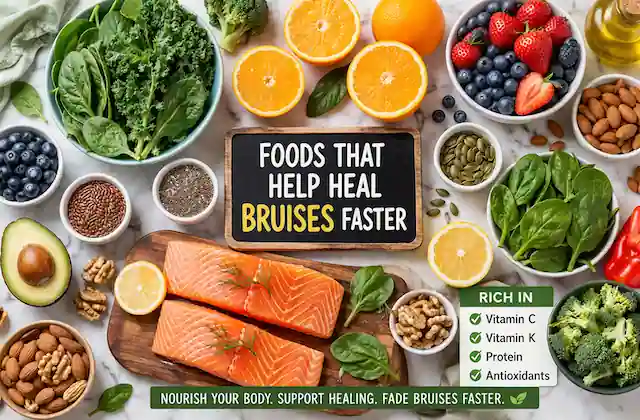
Eating the right foods can help heal bruises faster by strengthening blood vessels and reducing inflammation. Nutrients like vitamin C, vitamin K, and protein play a key role in tissue repair and recovery.
Focus on these foods:
- Vitamin C rich foods
Citrus fruits, strawberries, and bell peppers support collagen production - Vitamin K sources
Leafy greens like spinach and broccoli help blood clotting - Protein rich foods
Eggs, fish, and legumes support tissue repair - Anti-inflammatory foods for healing
Berries, nuts, and seeds reduce swelling
Avoiding certain unhealthy choices is equally important, especially foods with high saturated fat levels. If you bruise easily, your body may be lacking essential nutrients. Improving your diet can make a noticeable difference over time.
Which creams or ointments are best for bruise treatment at home?
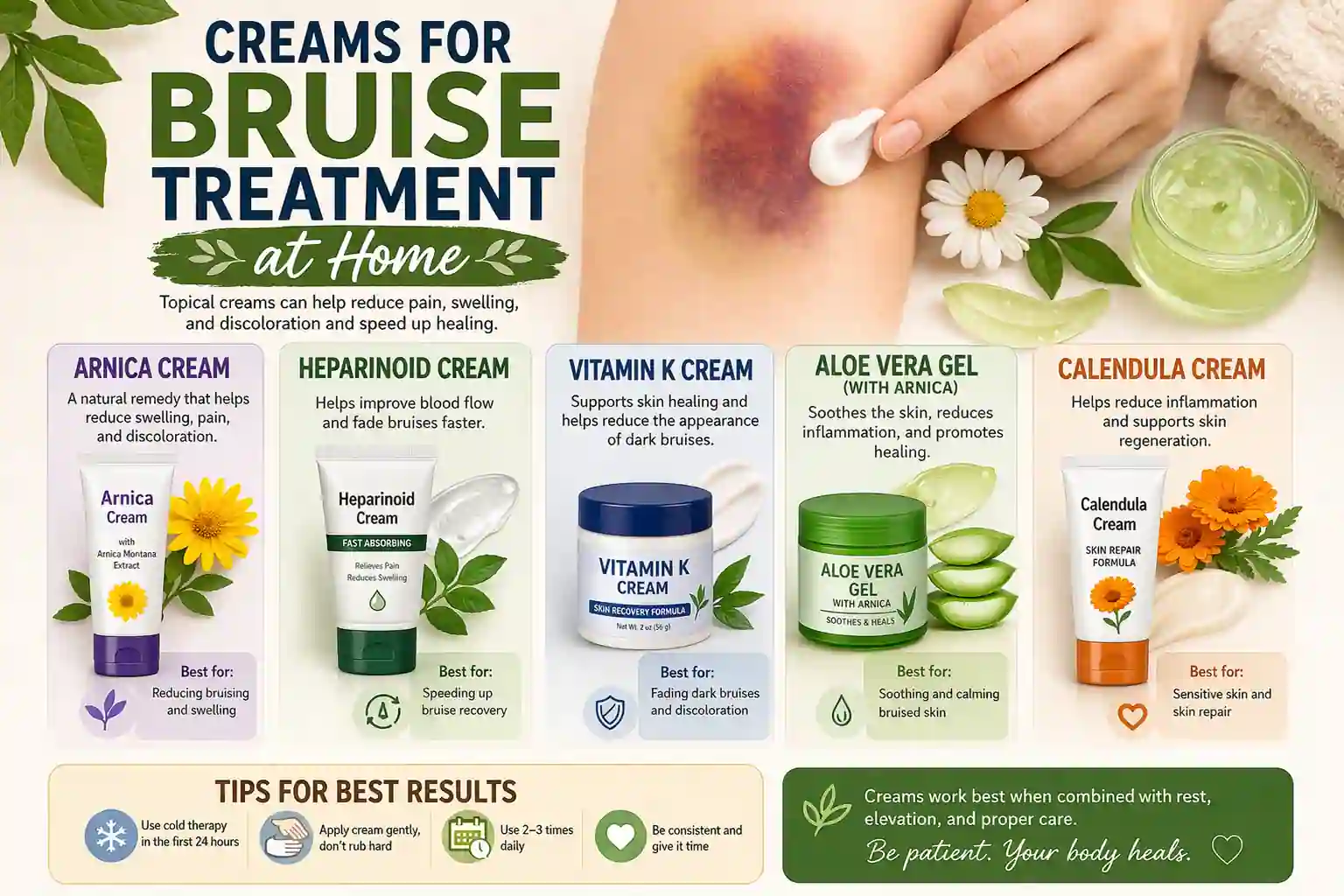
The best creams for bruise treatment at home include options with arnica, vitamin K, and anti-inflammatory ingredients that reduce swelling and improve skin healing. These topical treatments can complement other methods like ice and heat therapy.
Common options include:
- Arnica based gels
Help reduce discoloration and swelling - Vitamin K creams
Support blood clotting and skin repair - Pain relief gels
Provide comfort and reduce inflammation
Apply creams gently and avoid excessive pressure on the bruised area. Consistent use can enhance results when combined with other treatments.
What should you avoid to prevent bruises from getting worse?
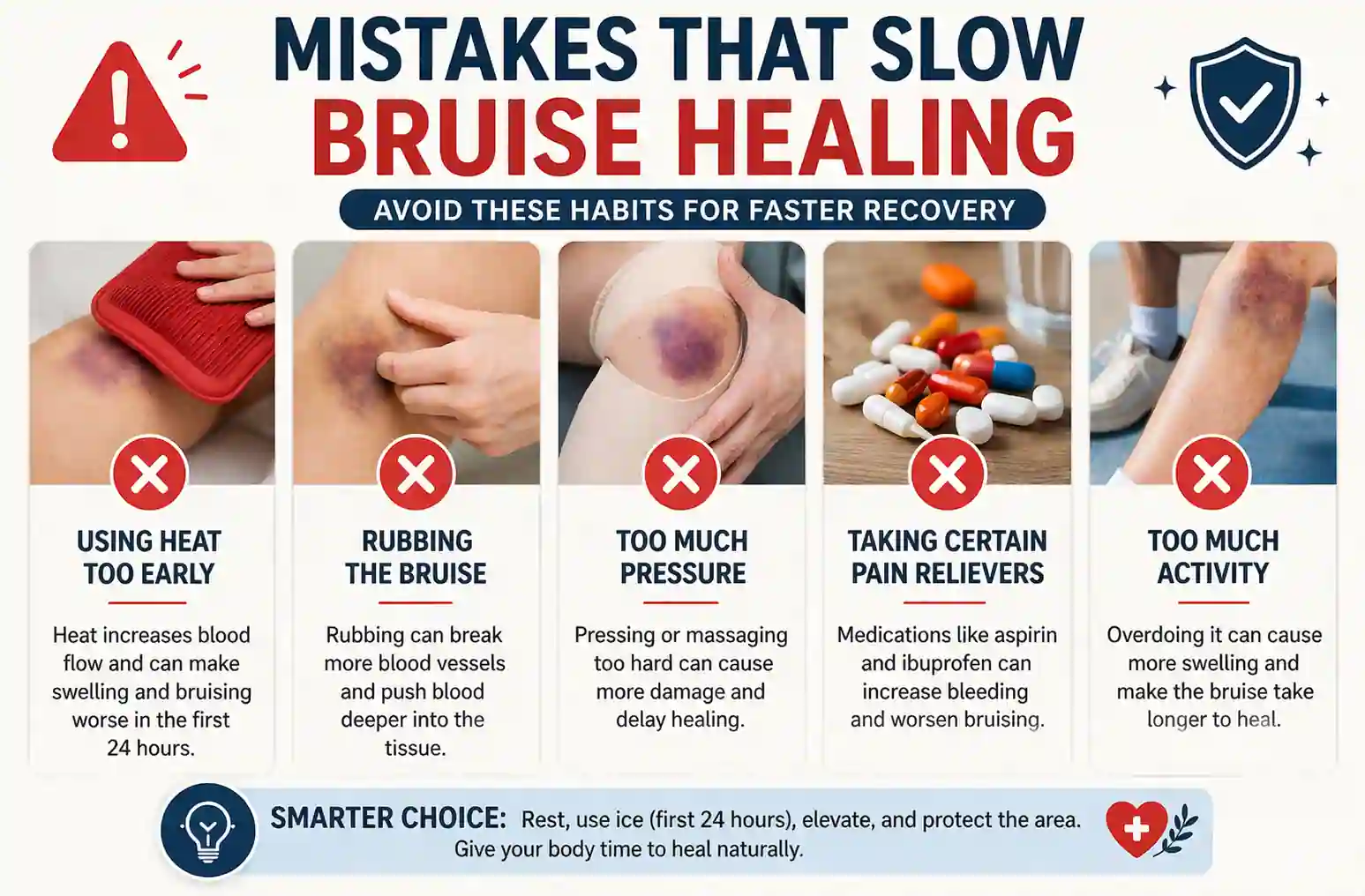
To prevent bruises from getting worse, avoid actions that increase blood flow or pressure on the injured area, especially in the early stages. Certain medications and habits can also slow healing or worsen discoloration.
Avoid the following:
- Applying heat too early
This can increase bleeding under the skin - Intense physical activity
Movement can enlarge the bruise - Alcohol consumption
Can thin the blood and worsen bruising - Certain medications
Blood thinners and some pain relievers may increase bruising
Being mindful of these factors can help you manage bruises more effectively.
When should you worry about a bruise not healing properly?
You should worry about a bruise if it does not improve after two weeks, becomes unusually painful, or appears without injury. These signs may indicate an underlying issue that requires medical attention.
Watch for these warning signs:
- Bruises lasting more than 3 to 4 weeks
- Frequent unexplained bruising
- Severe swelling or pain
- Bruising accompanied by other symptoms like fatigue
In such cases, it is important to consult a healthcare professional for proper evaluation.
Why do some people bruise easily and how can you reduce it?
Some people bruise easily due to factors like aging, fragile blood vessels, or nutrient deficiencies, but you can reduce it by improving diet, protecting your skin, and addressing underlying health concerns.
Common causes include:
- Low vitamin C or K levels
- Thinning skin with age
- Certain medications
- Medical conditions affecting blood clotting
To reduce bruising:
- Eat a nutrient rich diet that supports overall health and recovery
- Stay active to improve circulation
- Protect your skin from impact
Understanding the cause helps you take the right preventive steps.
Do bruises get darker as they heal, and what is normal?
Bruises often get darker before they fade, which is a normal part of the healing process as blood under the skin breaks down. Color changes indicate that your body is actively repairing the damaged area.
Normal progression includes:
- Darkening in the first few days
- Gradual color change to green or yellow
- Slow fading over one to two weeks
If the bruise does not follow this pattern, it may require further attention.
Does rubbing, toothpaste, or home tricks actually help bruises?
Most home tricks like rubbing a bruise or applying toothpaste do not help and may even worsen the injury by increasing irritation or damaging the skin. Evidence-based methods like cold therapy and proper care are far more effective.
Here is what to know:
- Rubbing a bruise
Can increase inflammation and delay healing - Toothpaste or similar remedies
Lack scientific support and may irritate skin - Gentle care is best
Stick to proven methods like ice, rest, and proper nutrition
Focusing on safe, evidence-based approaches ensures faster and more reliable healing.
By following these practical strategies, you can manage bruises effectively and support your body’s natural healing process. Knowing how to heal bruises fast allows you to reduce discomfort, improve appearance, and recover with confidence.
Final Thoughts
Healing bruises fast comes down to acting early, using the right combination of cold and heat therapy, and supporting your body with proper nutrition and care. While no method can remove a bruise instantly, consistent and evidence-based steps can significantly reduce healing time and improve appearance.
To recap what matters most:
- Start with ice immediately to reduce swelling and limit bleeding
- Switch to heat therapy after 24 to 48 hours to improve circulation
- Use natural remedies or creams to support skin recovery
- Eat nutrient rich foods that strengthen blood vessels
- Avoid habits that slow healing or worsen bruising
Most bruises heal naturally within one to two weeks, but how you treat them can make a noticeable difference. By understanding how to heal bruises fast, you can take control of the healing process and recover more efficiently.
Frequently Asked Questions
Q: Can a bruise heal in 2 days?
A: A bruise cannot fully heal in 2 days, but early care like using an ice pack for bruises and elevating the area can reduce swelling and make it fade faster. Most bruises still take several days as part of normal blood vessel healing.
Q: Why is vaseline good for bruises?
A: Vaseline is not specifically proven to heal bruises, but it can keep the skin moisturized and support surface recovery. It does not reduce swelling or inflammation, so it is not the best way to heal a bruise compared to cold or heat therapy.
Q: What is the ten 4 bruising rule?
A: The ten 4 bruising rule is a guideline used to identify unusual bruising patterns, especially in children, where bruises in certain areas or ages may need medical evaluation. It is not a bruise treatment at home method but a safety screening concept.
Q: What should a bruise look like after 7 days?
A: After 7 days, a bruise should appear lighter with yellow or green tones as part of bruise color stages healing. This indicates the body is breaking down trapped blood and progressing toward recovery.
Q: Does B12 stop bruising?
A: No, vitamin B12 does not directly stop bruising, but a deficiency may contribute to easy bruising in some cases. Supporting your body with balanced nutrition and anti-inflammatory foods for healing is more effective for long term bruise prevention.
