
Is honey vegan is a common question for anyone exploring a plant-based lifestyle or trying to understand vegan diet rules. While honey seems natural, its connection to bees raises important ethical and environmental questions. Many people ask, “can vegans eat honey,” but most vegan guidelines recommend avoiding it due to bee exploitation. If you are starting a plant based lifestyle, this 30 day vegan weight loss diet plan can help you understand what foods fit within vegan diet rules.
In this article, we will explore how honey is made, why it is debated in veganism, and what alternatives you can consider.
Is honey vegan and why is it debated?
According to the definition of veganism, the goal is to avoid all forms of animal exploitation, including products like honey.
Most definitions do not consider honey vegan because it is an animal product produced by bees, and veganism seeks to avoid animal exploitation. The debate exists because some people view honey as natural and harmless, while others focus on ethical concerns around bee exploitation and commercial practices.
At its core, veganism is about minimizing harm to animals. This includes not only obvious animal products but also those that involve animal labor.
Key reasons the topic is debated:
- Honey is produced by insects, not mammals, which creates confusion
- Some believe small scale or ethical beekeeping is acceptable
- Others argue any use of animals for human benefit goes against vegan principles
For you as a reader, the answer depends on how strictly you interpret vegan values. Similarly, many people also wonder is yeast vegan, as it raises similar questions about what counts as an animal product.
What is honey and how do bees produce it?
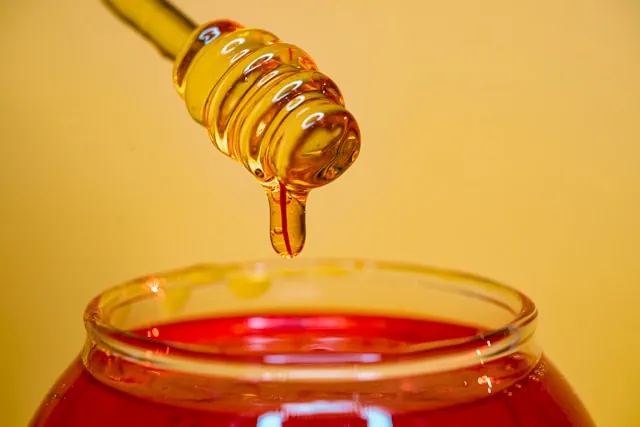
Honey is a natural substance made by bees from flower nectar, which they process and store as a primary energy source for survival. Bees collect nectar, break it down using enzymes, and store it in the hive where it becomes honey that sustains the colony.
To understand this better, it helps to look at how bees make honey and why it is essential for their survival.
The honey production process is complex and essential for bees:
- Worker bees visit hundreds of flowers to collect nectar
- Nectar is stored in a special stomach and mixed with enzymes
- It is passed between bees and deposited in honeycomb cells
- Bees fan their wings to reduce moisture and thicken the honey
Each bee produces only a very small amount of honey in its lifetime. This highlights how valuable honey is for the hive.
Honey serves critical functions:
- Provides energy during colder months
- Supports the health and survival of the colony
- Acts as a food reserve during scarcity
This is why many argue that taking honey directly impacts bees.
Why don’t vegans eat honey?
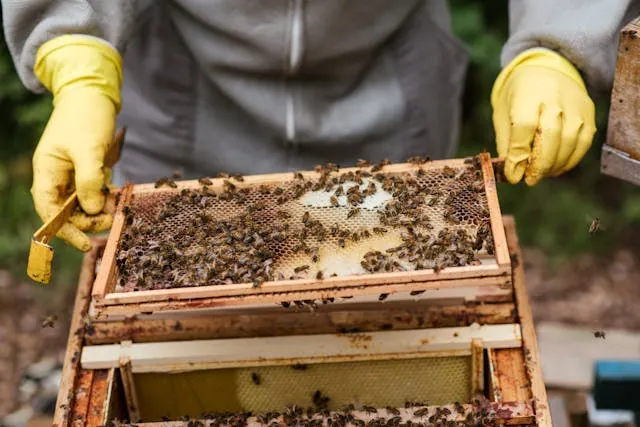
Vegans do not eat honey because it involves bee exploitation, where humans take a resource that bees produce for their own survival. This conflicts with the principle of avoiding animal products and minimizing harm to living beings.
Several ethical concerns explain why honey is not vegan:
- Beekeepers remove honey and replace it with sugar substitutes
- Bees may be overworked to increase honey production
- Queen bees can be manipulated to control the hive
- Some practices involve culling hives after harvest
From a vegan perspective, even small-scale honey production raises questions about consent and welfare.
If you follow a strict vegan diet, avoiding honey aligns with broader values of cruelty-free sweeteners and ethical food choices.
Is honey vegan or vegetarian and what is the difference?
Most vegans do not consider honey vegan, but it is generally accepted in a vegetarian diet because vegetarians typically consume animal byproducts. This distinction explains why honey often appears in vegetarian foods but not in vegan diets.
Here is a simple comparison:
- Vegan diet
- Avoids all animal products, including honey, dairy, eggs
- Vegetarian diet
- May include honey, dairy, and other byproducts
This is why you might see honey labelled as vegetarian but not vegan.
Understanding this difference helps you make informed choices based on your dietary goals.
How does honey production affect bees and the environment?
However, honey production can impact bees and the environment by contributing to bee exploitation, disease spread, and reduced biodiversity in some ecosystems. While bees are essential pollinators, commercial practices can disrupt natural balance.
Research on the impact of pollinators on ecosystems highlights how changes in bee populations can affect biodiversity and food systems.
Environmental concerns include:
- Large scale beekeeping can compete with native pollinators
- Disease can spread between managed and wild bee populations
- Transport of honey increases carbon footprint
- Monoculture farming reduces diverse food sources for bees
The impact on bees themselves includes:
- Stress from frequent hive disturbance
- Reduced access to their natural food supply
- Increased vulnerability due to selective breeding
While not all beekeeping has the same impact, these factors are important when evaluating the environmental impact of honey.

What are the best vegan alternatives to honey?
The best vegan alternatives to honey are plant-based sweeteners that provide similar taste and texture without involving animal products. These options support a plant-based lifestyle while offering versatility in cooking and baking.
Many plant based sweeteners offer similar taste and functionality without involving animal products.
Popular honey alternatives include:
- Maple syrup
- Rich flavor, ideal for pancakes and baking
- Agave nectar
- Mild taste, dissolves easily in drinks
- Date syrup
- Natural sweetness with added nutrients
- Molasses
- Strong flavor, often used in baking
- Rice syrup
- Neutral taste, good for processed foods
When choosing alternatives, consider:
- Flavor profile
- Nutritional value
- Intended use in recipes
Switching to these options allows you to enjoy sweetness while staying aligned with vegan diet rules. If you are new to cooking without animal products, these tips for cooking vegan food can help you use alternatives effectively.
What should you take away from the question “is honey vegan”?
Honey is generally not considered vegan because it involves the use of bees and their labor, which conflicts with vegan principles. While it may seem natural, most vegans choose to avoid it and opt for plant-based sweeteners instead.
In simple terms, if you follow a strict vegan diet, honey is not included, but there are plenty of alternatives to choose from.
Frequently Asked Questions
Q: Is honey ok for vegans?
A: Honey is not considered vegan because it is produced by bees and involves animal exploitation, which conflicts with vegan diet rules. So while it may seem natural, most vegans choose to avoid honey.
Q: What are vegans who eat honey called?
A: Vegans who eat honey are sometimes called “beegans,” referring to people who follow a mostly vegan diet but still consume honey despite standard vegan principles.
Q: Is honey better than sugar?
A: Honey may contain small amounts of nutrients, but it is still high in sugar and not necessarily healthier than sugar when consumed in excess. From a vegan view on honey, plant based sweeteners are usually preferred.
Q: What foods are surprisingly not vegan?
A: Some foods that seem vegan are not, including certain breads, wines, and processed snacks that contain hidden animal products like gelatin, dairy derivatives, or additives.
Q: Can vegans eat natural sweeteners instead of honey?
A: Yes, vegans can eat natural sweeteners like maple syrup, agave nectar, and date syrup, which are plant based sweeteners and do not involve animal products like honey.
