

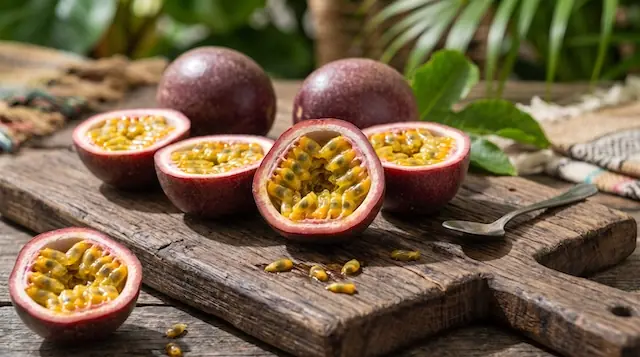
What does passion fruit taste like? Passion fruit has a bright tropical flavor that combines sweetness, tanginess, and citrusy freshness in one bite. The juicy pulp delivers a fragrant aroma with hints of pineapple, mango, kiwi, and guava, while the crunchy edible seeds add texture that makes the fruit feel unique compared to more common fruits.
Depending on ripeness, passion fruit can taste pleasantly tart or richly sweet, which is why it is widely used in smoothies, desserts, juices, yogurt bowls, and tropical drinks. In this article, you will learn what passion fruit tastes like compared to other fruits, how ripeness affects flavor, what foods pair best with it, and why this tropical fruit is popular around the world.
How Does Passion Fruit Compare to Other Tropical Fruits?
Passion fruit tastes sweet, tangy, and slightly tart with tropical and citrus notes that are often compared to pineapple, kiwi, mango, and guava. The flavor is more intense than many common fruits because the juicy pulp combines bright acidity with natural sweetness and a strong tropical aroma.
If you have never tried passion fruit before, the taste may surprise you. It delivers a bold mix of sweet and tangy flavors that feel refreshing rather than overly sugary.
Many people compare passion fruit flavor to a blend of several tropical fruits instead of one exact match. The balance of tart flavor, floral aroma, and citrus flavor gives it a distinct identity.
Here is how passion fruit compares to other fruits:
- Pineapple: Similar tropical sweetness, but passion fruit is more tart and aromatic
- Mango: Mango tastes smoother and sweeter, while passion fruit has a brighter citrus edge
- Kiwi: Both have edible seeds and tangy notes, but passion fruit has a stronger tropical aroma
- Guava: Guava is milder and creamier, while passion fruit tastes sharper and more refreshing
- Orange: Passion fruit shares citrus flavor notes but feels sweeter and more tropical
The texture also makes passion fruit unique. Inside the hard outer shell is a jelly-like pulp filled with crunchy black seeds. The seeds are edible and add a light crunch to the soft, juicy fruit pulp.
Is Passion Fruit Sweet or Sour When It Is Ripe?
Ripe passion fruit tastes more sweet than sour because the natural sugars increase as the fruit matures. While passion fruit flavor keeps its signature tart flavor and citrus notes, a fully ripe fruit develops a smoother and more balanced sweet and tangy taste with a rich tropical aroma.
The ripeness of passion fruit has a major effect on flavor. Unripe fruit often tastes sharper and more acidic, while ripe fruit becomes juicier and noticeably sweeter.
One common misconception is that wrinkled passion fruit is spoiled. In most cases, slightly wrinkled skin actually means the fruit has ripened properly and the pulp inside has developed better sweetness.
Here are the most reliable signs of ripe passion fruit:
- Slightly wrinkled outer skin
- Heavy feel for its size
- Sweet tropical smell
- Deep purple or yellow coloring
- Slight softness when gently pressed
Purple passion fruit is usually sweeter and milder in flavor. Yellow passion fruit tends to have stronger citrus flavor and more noticeable acidity, even when ripe.
If your passion fruit still feels firm and smooth, you can leave it at room temperature for several days. As it ripens, the juicy fruit pulp becomes softer, sweeter, and more aromatic.
Many people enjoy ripe passion fruit chilled because cooler temperatures make the tropical fruit taste even more refreshing. The sweet and tangy balance also pairs well with creamy foods such as yogurt, banana, and coconut milk.
Although passion fruit naturally contains acidity, most ripe varieties are described as pleasantly tangy rather than overwhelmingly sour. The combination of tropical sweetness, tart flavor, and fragrant pulp is what gives passion fruit its distinctive taste.
Where Does This Tropical Fruit Grow Best?
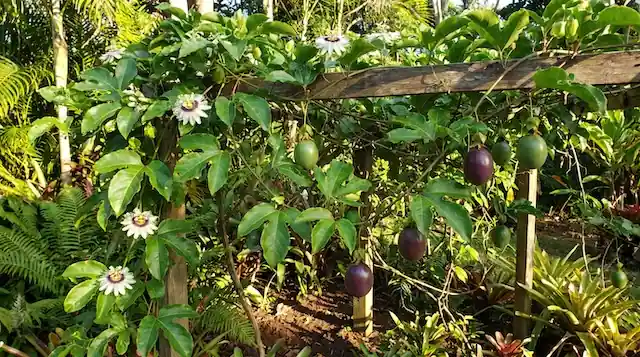
Passion fruit is a tropical fruit that grows on flowering vines from the Passiflora family and is valued for its sweet and tangy flavor, jelly-like pulp, and fragrant tropical aroma. This tropical fruit grows best in warm climates with regular sunlight, moderate humidity, and well-drained soil.
The fruit originally comes from South America, especially regions of Brazil, Paraguay, and northern Argentina. Today, passion fruit is cultivated in many tropical and subtropical areas because the vines adapt well to warm growing conditions.
Major passion fruit growing regions include:
- India
- Australia
- New Zealand
- Colombia
- Peru
- South Africa
- Indonesia
- Hawaii
- Southern United States
Passion fruit vines grow quickly when they receive enough sunlight and water. In favorable climates, the plants can begin producing fruit within one to two years.
The two most common varieties are:
- Purple passion fruit
- Yellow passion fruit
Purple passion fruit is usually smaller and sweeter, making it popular for fresh eating. Yellow passion fruit is often larger with a brighter citrus flavor and is commonly used in juice production.
The plant itself is easy to recognize because of its climbing vines and detailed flowers. Passion fruit flowers are known for their unusual structure and vibrant appearance, which also makes the vine popular in home gardens.
What climate helps passion fruit grow best?
Passion fruit grows best in frost free climates with warm daytime temperatures and good airflow. Most vines thrive in temperatures between 68 and 86 degrees Fahrenheit and can struggle in prolonged cold weather.
Healthy passion fruit plants generally need:
- Full sunlight
- Well-drained soil
- Regular watering
- Climbing support such as fences or trellises
- Protection from heavy frost
Excessively dry conditions can reduce fruit quality and slow vine growth. Consistent moisture helps produce sweeter and juicier fruit pulp. Beyond nutrition, many people enjoy passion fruit because the sweet and tangy flavor makes healthy snacks more enjoyable.
What is passion fruit called in India?
In India, the fruit is commonly referred to as passion fruit in English, although regional names can vary depending on the local language. Passion fruit cultivation is especially common in northeastern states, parts of Kerala, Karnataka, and the Nilgiri hills because these areas provide favorable tropical and subtropical growing conditions.
Interest in passion fruit farming has increased in recent years due to growing demand for tropical fruit juices, desserts, and health focused products. Both purple and yellow passion fruit varieties are available in local markets across many regions.
How Can You Tell When the Fruit Is Fully Ripe?
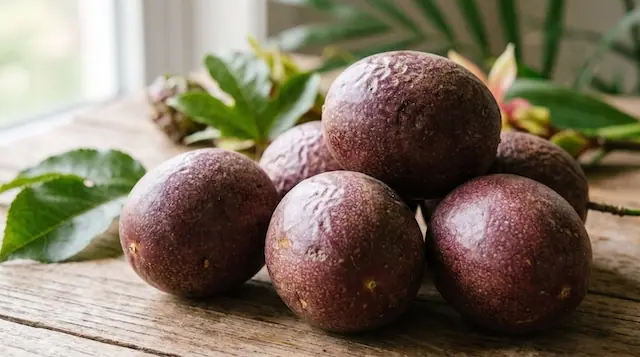
Ripe passion fruit feels heavy for its size, develops slightly wrinkled skin, and produces a sweeter passion fruit flavor with lower acidity. A ripe fruit also has a noticeable tropical aroma and softer texture, which signals that the juicy pulp inside has reached peak sweetness.
Many people mistakenly choose smooth passion fruit because it appears fresher. In reality, slightly wrinkled skin is often the best indicator that the fruit is ripe and ready to eat.
As passion fruit ripens, natural sugars increase and soften the tart flavor. This creates the sweet and tangy balance that makes the fruit popular in smoothies, desserts, and tropical drinks.
Here are the easiest ways to identify ripe passion fruit:
- Look for lightly wrinkled skin
- Choose fruit that feels heavy
- Check for deep purple or yellow coloring
- Smell for a strong tropical aroma
- Gently press for slight softness
Avoid fruit that feels extremely hard, very light, or overly shriveled. These signs can indicate underripeness or dehydration.
If your passion fruit is still smooth and firm, you can leave it at room temperature for several days. The skin will naturally wrinkle as the fruit ripens and the jelly-like pulp becomes sweeter.
Purple passion fruit generally tastes sweeter and milder. Yellow passion fruit often keeps a brighter citrus flavor and stronger tartness, even when fully ripe.
You can also refrigerate ripe passion fruit to help preserve freshness for up to one to two weeks. Many people prefer chilled passion fruit because the cool temperature enhances the refreshing tropical fruit flavor.
How Do You Eat Passion Fruit and What Pairs Best With It?
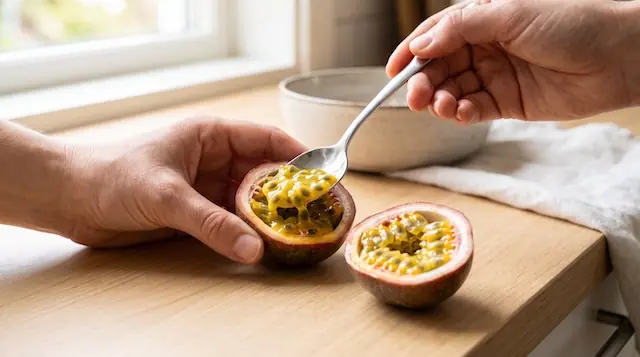
You can eat passion fruit by cutting it in half and scooping out the juicy pulp, which highlights what passion fruit tastes like when eaten fresh. The edible pulp has a sweet and tangy flavor that pairs well with creamy foods, tropical fruits, desserts, and refreshing drinks.
The outer shell is usually not eaten because it has a tough texture and bitter taste. Most people simply enjoy the juicy fruit pulp inside.
Passion fruit can be eaten fresh on its own, but it is also widely used in recipes because its tropical aroma remains strong even when mixed with other ingredients.
Popular ways to eat passion fruit include:
- Fresh with a spoon
- Blended into smoothies
- Mixed into yogurt
- Added to fruit salads
- Used in desserts and sauces
- Stirred into sparkling drinks
The crunchy seeds are completely edible and provide texture contrast with the soft pulp. Some people strain the seeds when making juice, but many enjoy the natural crunch. Passion fruit also works well in smoothie bowls and healthy breakfast recipes because of its sweet and tangy flavor.
What pairs best with passion fruit?
Passion fruit pairs best with ingredients that balance its tart flavor and highlight its tropical sweetness. Creamy ingredients and naturally sweet fruits work especially well.
Popular pairings include:
- Coconut
- Banana
- Mango
- Pineapple
- Vanilla
- Yogurt
- White chocolate
- Citrus fruits
Passion fruit also works well in savory recipes. The bright acidity can add freshness to salad dressings, seafood sauces, and tropical glazes without overpowering other flavors.
For a quick snack, many people spoon ripe passion fruit over oatmeal or Greek yogurt. The sweet and tangy pulp adds flavor and freshness without needing extra sweeteners.
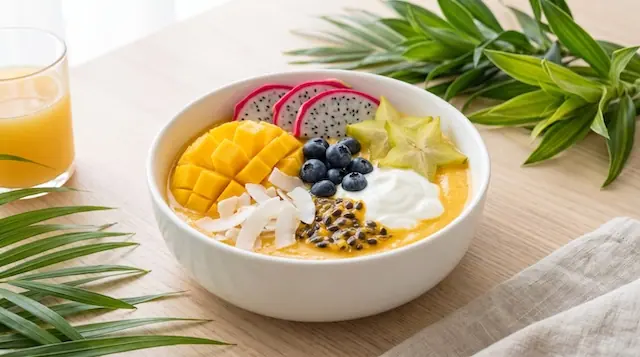
What Does Passion Fruit Taste Like in Drinks and Desserts?
What does passion fruit taste like in desserts and drinks? The flavor becomes smoother, sweeter, and more aromatic when combined with dairy, sweeteners, and tropical ingredients.
In beverages, passion fruit adds a refreshing sweet and tangy taste without requiring large amounts of fruit. Even a small spoonful of juicy pulp can create a strong tropical flavor.
Cold recipes often highlight the fruit’s refreshing qualities. This is one reason passion fruit is widely used in chilled desserts and summer drinks. Passion fruit is commonly added to smoothie recipes and juice blends because of its bright tropical flavor.
Popular uses for passion fruit include:
- Smoothies
- Juice blends
- Ice cream
- Sorbet
- Cheesecake toppings
- Fruit syrups
- Mocktails
- Yogurt parfaits
When mixed into desserts, passion fruit usually tastes less acidic than it does on its own. Creamy ingredients such as coconut milk, whipped cream, and vanilla help soften the sharper citrus notes.
Why is passion fruit popular in tropical desserts?
Passion fruit works well in desserts because its acidity balances sweetness and prevents rich recipes from tasting too heavy. The tropical fruit flavor also pairs naturally with dairy, coconut, and other fruits.
Many dessert recipes use passion fruit to add freshness and brightness. Its vibrant color and fragrant aroma can also make drinks and desserts feel lighter and more refreshing.
Frozen recipes especially highlight the fruit’s texture and flavor. Sorbets and smoothie bowls often use passion fruit because the jelly-like pulp keeps its bold tropical taste even after chilling.
Does passion fruit taste different in juice?
Passion fruit juice usually tastes sweeter and less tart than fresh fruit because it is commonly blended with water, sweeteners, or other fruit juices. However, the citrus flavor and tropical aroma still remain noticeable.
Many juice blends combine passion fruit with:
- Mango
- Pineapple
- Orange
- Coconut
- Guava
These combinations help balance acidity while enhancing the naturally refreshing taste of passion fruit.
What Fruit Is Closest to Passion Fruit in Flavor and Texture?
Kiwi, guava, and pineapple are among the fruits closest to passion fruit in flavor and texture because they share tropical sweetness, tangy notes, and juicy flesh. However, passion fruit still stands out because of its concentrated tropical aroma and jelly-like pulp with crunchy seeds.
Kiwi is often considered the closest comparison because both fruits contain edible seeds and a balance of sweetness and acidity. Guava shares the tropical fragrance, while pineapple offers similar citrus flavor and refreshing tartness.
Despite these similarities, passion fruit has a stronger and more concentrated flavor than most fruits. Its sweet and tangy taste is usually more aromatic and intense. People who enjoy tropical fruits like kiwi, guava, and lychee fruit often enjoy passion fruit as well.
Here is how similar fruits compare:
- Kiwi: Tangy flavor with edible seeds and refreshing acidity
- Guava: Tropical sweetness with a softer overall flavor
- Pineapple: Bright citrus notes and juicy texture
- Mango: Sweeter and creamier with less tart flavor
- Pomegranate: Crunchy texture with sweet and tart notes
The texture of passion fruit is also distinctive. The jelly-like pulp feels softer than kiwi and more fluid than guava, while the crunchy seeds create contrast in every bite.
What does passion fruit taste similar to in recipes?
In recipes, passion fruit often tastes similar to a blend of citrus fruits and tropical fruit varieties. The flavor adapts well to smoothies, desserts, sauces, and drinks because it combines sweetness with refreshing acidity.
People who enjoy these fruits often enjoy passion fruit as well:
- Pineapple
- Mango
- Kiwi
- Dragon fruit
- Papaya
Because the flavor is naturally bold, passion fruit is often used as an accent ingredient rather than the main base. A small amount can completely change the flavor profile of yogurt, drinks, desserts, and fruit bowls.
What does passion fruit taste like overall? Most people describe it as a refreshing mix of sweet, tangy, tropical, and citrus flavors with juicy pulp and crunchy seeds. Whether you eat it fresh or use it in recipes, passion fruit delivers a bold tropical fruit experience that stands out from more common fruits.
Read More: 10 Best Fruits for Diabetics with High & Low Sugar Content
Final Thoughts
What does passion fruit taste like overall? Most people describe it as a balance of tropical sweetness, citrus flavor, and refreshing tartness. Its bold flavor profile makes it stand out from many everyday fruits while still pairing easily with smoothies, desserts, yogurt, and fresh recipes.
Whether you enjoy passion fruit fresh from the shell or blended into drinks and desserts, the fruit offers a unique balance of sweetness and tartness that appeals to many tropical fruit lovers. Choosing ripe passion fruit with slightly wrinkled skin will usually give you the best flavor and the most enjoyable texture.
Frequently Asked Questions
Q: Why is passion fruit so expensive?
A: Passion fruit can be expensive because the fruit has delicate skin, bruises easily during transport, and requires careful harvesting. Imported purple passion fruit and yellow passion fruit may also cost more due to shipping expenses and limited availability in some markets.
Q: What is the disadvantage of eating passion fruit?
A: One disadvantage of eating passion fruit is that some people may experience allergies or stomach discomfort from the crunchy seeds and acidic pulp. Eating too much ripe passion fruit can also irritate sensitive stomachs because of its tart flavor.
Q: Why does my stomach hurt after eating passion fruit?
A: Your stomach may hurt after eating passion fruit if you are sensitive to acidic fruits or consume too much of the jelly-like pulp and seeds. In some cases, unripe passion fruit can cause digestive discomfort because it is more sour and acidic.
Q: Why is passion fruit so gross?
A: Some people think passion fruit tastes gross because its tart flavor, strong tropical aroma, and crunchy seeds can feel unusual compared to sweeter fruits. Unripe passion fruit may also taste overly sour, which can make the flavor less enjoyable for some people.
Q: Is passion fruit good for anemia?
A: Passion fruit contains vitamin C, which may help support iron absorption as part of a balanced diet. Although passion fruit is not a high-iron fruit, it can contribute beneficial antioxidants and nutrients to overall nutrition.
