


Tamarind has a distinctive sweet and sour taste that combines fruity sweetness with noticeable acidity. Its flavour can be sharply tangy, mildly sweet, or deeply fruity, depending on the variety and maturity of the fruit. The sourness may remind you of lemon or lime, while sweeter notes can resemble dates or dried apricots. Whether eaten fresh or used in cooking, tamarind has a recognisable flavour and a soft, sticky texture. This article explains what tamarind tastes like, how its flavour changes as it ripens, and how it is used in different foods and drinks.
What Does Tamarind Taste Like?
Tamarind has a sweet, sour, and tangy taste with a concentrated fruity flavour. Its acidity is often the most noticeable characteristic, while natural sugars provide sweetness that varies between varieties. The pulp is soft, sticky, and slightly fibrous.
When you taste fresh tamarind, you may notice sharp sourness followed by a mild sweetness. Sweeter varieties can have deeper fruity notes that some people compare to dates or molasses.
The main flavour characteristics include:
- Sourness: Natural organic acids give tamarind its sharp, tart taste.
- Sweetness: Naturally occurring sugars provide a sweet note, particularly in sweeter varieties.
- Fruity flavour: Its concentrated fruitiness can remind you of certain dried fruits.
- Deep sweetness: Some varieties have subtle notes similar to brown sugar or molasses.
- Tanginess: Its acidity gives sauces, chutneys, and beverages their characteristic sharp flavour.
Tamarind can also have a strong taste, particularly when the pulp is highly concentrated. Even a small quantity can noticeably change the flavour of a dish. The intensity depends on the variety, maturity, and amount used.
What Is the Texture of Tamarind Like?
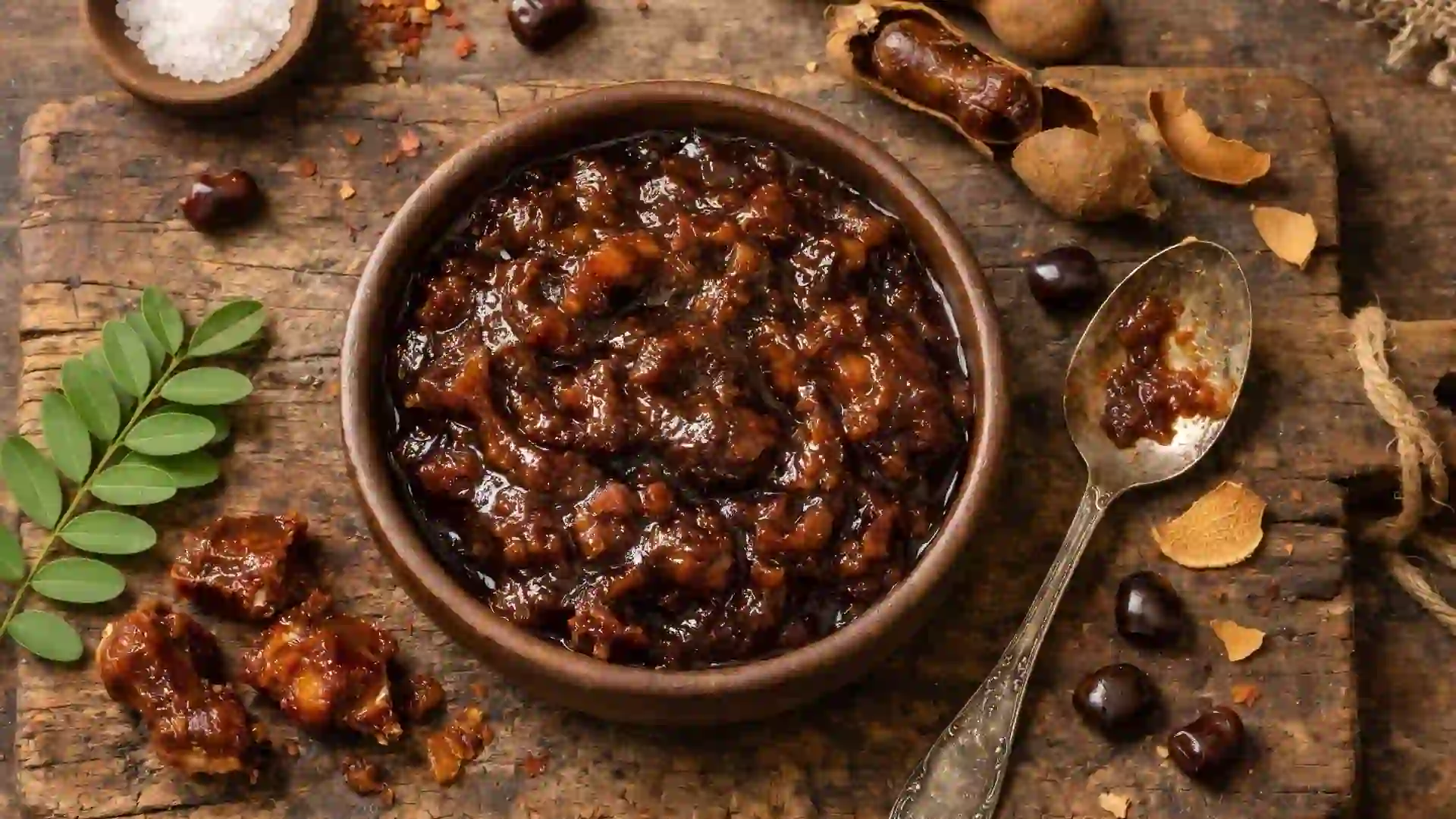
Tamarind pulp is soft, sticky, and slightly fibrous. It surrounds hard seeds inside a brittle outer shell.
The pulp is generally thick and chewy rather than juicy. Its texture changes depending on how it is prepared:
- Fresh tamarind: Has sticky pulp with natural fibres.
- Tamarind paste: Has a thick, smooth or slightly fibrous consistency.
- Tamarind concentrate: Is usually thicker and more concentrated than regular pulp.
- Tamarind juice: Is thinner because the pulp is mixed with water and may be strained.
Fresh tamarind has a more noticeable fibrous texture, while prepared paste and juice are usually easier to mix into recipes.
Is Tamarind Sweet or Sour?
Tamarind can taste both sweet and sour, but its flavour is generally known for its tartness. Some varieties have a sharper acidic taste, while others have more noticeable natural sweetness. Its final flavour depends on the variety, maturity, and preparation.
Tamarind pulp contains naturally occurring organic acids, particularly tartaric acid, which contributes significantly to its sour taste. Natural sugars contribute to its sweetness. The Indian Council of Agricultural Research identifies tartaric acid and sugars among the important components of tamarind pulp.
What Makes Tamarind Sour?
Tartaric acid is a major contributor to tamarind’s characteristic sour taste. This acidity is especially noticeable in strongly sour varieties and concentrated tamarind pulp.
Its sharp flavour helps balance rich, salty, and spicy ingredients in cooking. For example:
- In sambar, tamarind provides sourness that balances lentils and spices.
- In rasam, it contributes a tangy flavour alongside tomatoes and seasonings.
- In chutneys, its acidity balances ingredients such as jaggery, dates, and spices.
What Makes Tamarind Sweet?
Natural sugars in tamarind contribute to its sweetness. Their levels vary between varieties, which is why some tamarind tastes noticeably sweeter than others.
Sweeter varieties can have a rich, fruity taste that makes them enjoyable to eat fresh. Prepared tamarind products may taste sweeter because ingredients such as sugar, jaggery, or dates are sometimes added to balance the acidity.
Sweet Tamarind vs Sour Tamarind
| Feature | Sweet tamarind | Sour tamarind |
| Dominant flavour | Fruity sweetness | Sharp acidity |
| Sweetness | More noticeable | Less noticeable |
| Tartness | Mild to moderate | Strong |
| Common uses | Fresh eating and sweets | Curries, rasam, and chutneys |
| Overall taste | Sweeter and more balanced | Tangy and mouth-puckering |
Both types have culinary uses. The best choice depends on whether you want to enjoy tamarind as a fruit or use it to add acidity to a recipe.
What Does Tamarind Taste Similar To?
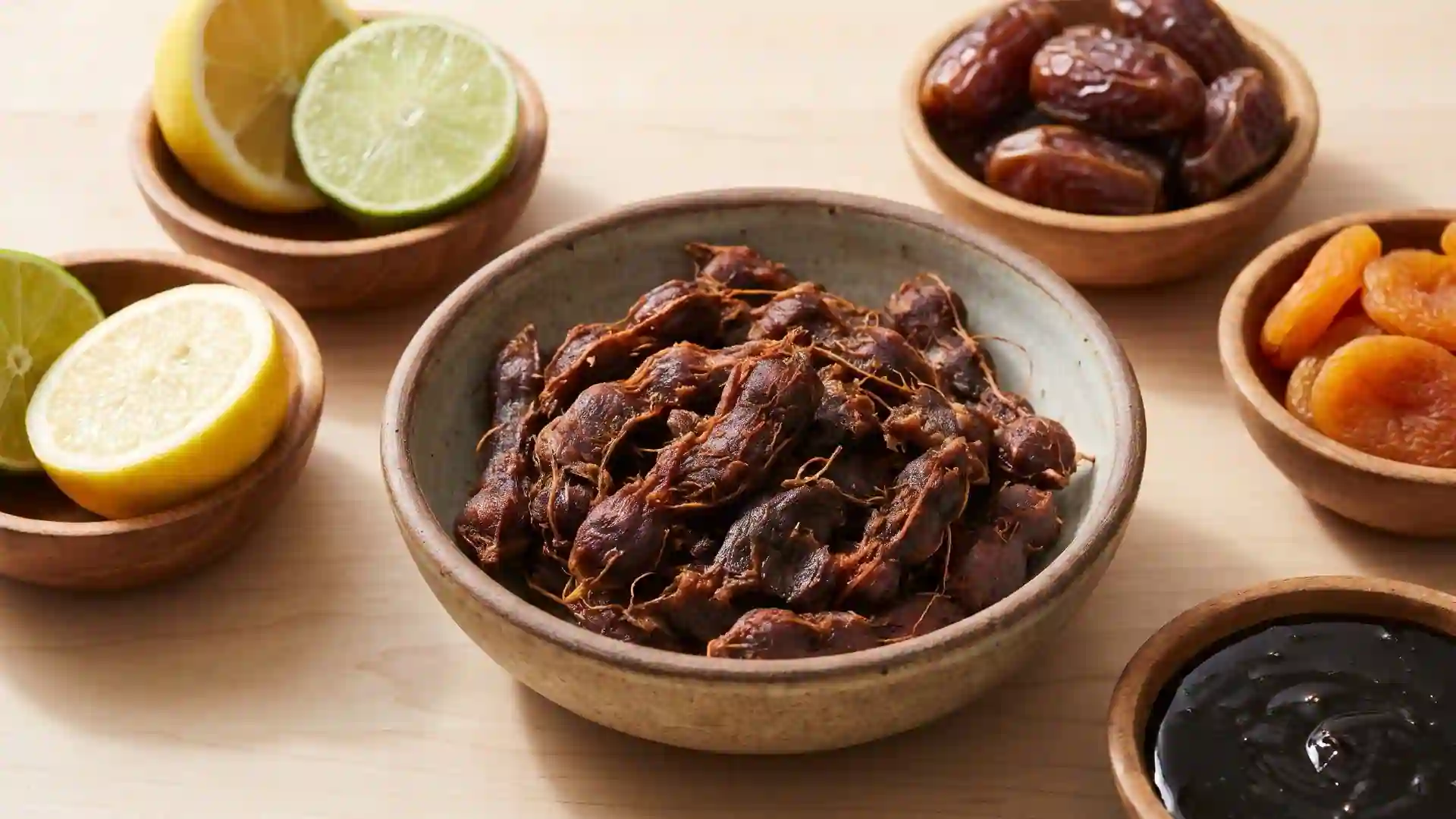
Tamarind tastes somewhat similar to a combination of citrus fruits and dried fruits, although no single fruit, including passion fruit, completely reproduces its flavour. Its sourness can remind you of lemon or lime, while its natural sweetness may bring dates or dried apricots to mind.
These comparisons can help you understand the flavours of unfamiliar fruits, including what dragon fruit tastes like.
1. Lemon and Lime
Tamarind and lemon share a noticeable sourness. Both can add acidity to food and balance rich ingredients.
However, lemon has a brighter citrus flavour, while tamarind tastes deeper and fruitier. Tamarind pulp also has a thicker consistency than lemon juice.
2. Dates
Ripe sweet tamarind has a sweetness that can remind you of dates. Both have a concentrated flavour and a soft, sticky texture.
The difference is that dates are predominantly sweet, while tamarind retains a noticeable tangy quality.
3. Dried Apricots
Dried apricots combine fruity sweetness with mild tartness. This makes them another useful comparison for the flavour of some sweet tamarind varieties.
Tamarind generally has a more pronounced acidity and a stickier pulp.
4. Molasses
Some sweeter tamarind varieties have a deep sweetness that people may compare to molasses or brown sugar.
The comparison is not exact. Molasses is consistently sweet and rich, whereas tamarind combines sweetness with a distinct sour finish.
5. Sour Candy
If you enjoy sour candies, you may find tamarind’s initial tartness familiar. Both can produce a mouth-watering sensation.
However, natural tamarind has a fruity flavour, while sour candies often contain added sugars and flavourings that change their taste.
How Does Tamarind Taste When Ripe or Unripe?
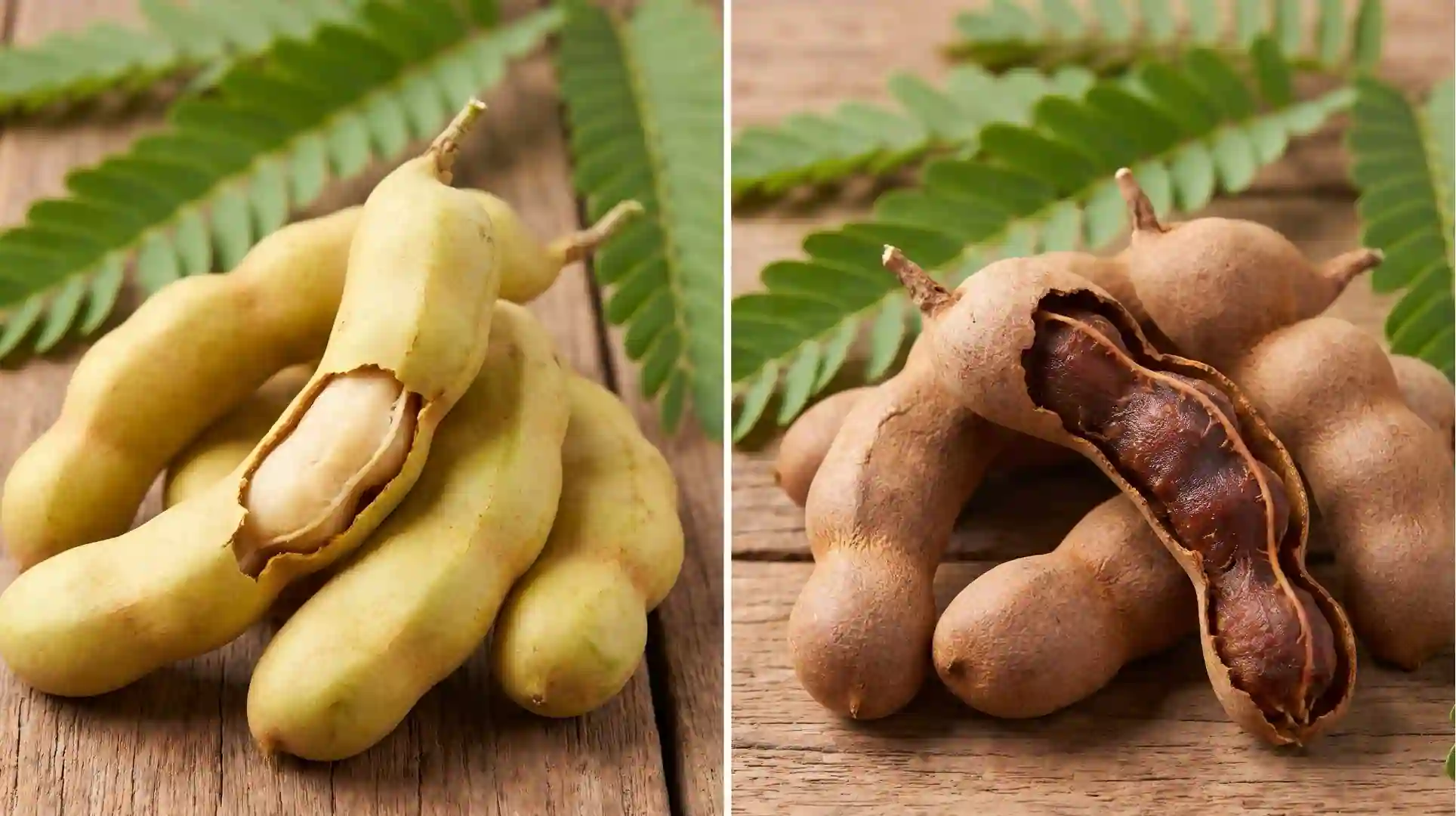
The taste of tamarind varies with its maturity and variety. Unripe tamarind generally has green pulp and a sharper sour flavour, while mature tamarind usually has brown pulp and may have more noticeable sweetness. However, ripe tamarind can still be strongly acidic.
Research on tamarind pulp has documented changes in its colour and reducing sugar content during ripening. These changes help explain why mature fruit can taste different from unripe fruit.
Unripe Tamarind
Unripe tamarind has a sharp, acidic taste that can make your mouth pucker. Its pulp is generally green and is often used in cooking when a strong sour flavour is desired.
Common uses include:
- Adding sourness to traditional curries.
- Preparing tangy chutneys and sauces.
- Flavouring soups and vegetable dishes.
- Adding acidity to regional recipes.
Because its tartness can be intense, recipes usually require only a measured quantity.
Ripe Tamarind
Ripe tamarind generally has brown, softer pulp and may have a more balanced sweet and sour flavour. Some varieties develop noticeable natural sweetness, while others remain quite tart.
Mature tamarind is commonly used for:
- Eating fresh after removing the outer shell.
- Preparing tamarind drinks.
- Making sweets and candies.
- Preparing sauces and chutneys.
- Adding fruity acidity to desserts.
The sweetness varies between varieties, so mature tamarind should not automatically be assumed to taste sweet.
How to Identify Ripe Tamarind
Mature tamarind pods are generally brown and dry, with a brittle outer shell. The pulp inside is usually brown and sticky.
Here are a few things to check:
- Colour: Mature pods are generally brown rather than green.
- Shell: The outer shell is often dry and brittle.
- Pulp: The flesh is generally soft and sticky.
- Condition: Avoid pods with visible mould, unusual moisture, or signs of spoilage.
- Smell: The pulp should not have an unusual or unpleasant smell.
Appearance alone cannot guarantee sweetness or quality. The variety and storage conditions also influence the fruit.
How Is Tamarind Used in Different Cuisines?

Tamarind is used in different cuisines to provide acidity, sweetness, and fruity tanginess. It is an ingredient in curries, soups, sauces, chutneys, beverages, and candies. Its final taste depends on whether it is used fresh, dried, as pulp, or as prepared paste.
1. Indian Cuisine
Tamarind is widely used in Indian cooking, particularly in South Indian cooking where many dishes use it to add a sour flavour. It is commonly known as imli in Hindi and is available in fresh pods, dried blocks, pulp, and paste.
Some familiar preparations include:
- Sambar: Tamarind gives this lentil and vegetable preparation its characteristic sourness.
- Rasam: It contributes a tangy flavour alongside tomatoes and seasonings.
- Tamarind chutney: Tamarind pulp is combined with ingredients such as dates, sugar, jaggery, and spices to create a sweet and sour condiment.
- Puliyogare: Tamarind provides the distinctive tangy base of this South Indian rice dish.
- Fish curry: In some regional preparations, tamarind adds acidity and balances the richness of the gravy.
The final taste depends on the other ingredients and the amount of tamarind used.
2. Thai Cuisine
Tamarind is used in several Thai dishes, particularly sauces that combine sweet, sour, salty, and savoury flavours.
One familiar example is Pad Thai. Tamarind contributes acidity to the sauce, while other ingredients provide sweetness and savoury depth. Its use and quantity can vary between recipes.
Tamarind is also used in certain Thai soups, sauces, and stir-fried dishes.
3. Mexican Cuisine
Tamarind is popular in Mexican sweets, candies, drinks, and sauces. Its combination of tartness and fruitiness works particularly well with sugar, salt, and chilli.
Tamarind candies often have a sweet, sour, salty, and sometimes spicy flavour. This makes them quite different from fresh tamarind pulp.
Tamarind is also used to prepare agua de tamarindo, a drink made by combining tamarind pulp with water and a sweetener.
4. Beverages and Desserts
Tamarind is used in beverages and desserts because its acidity provides contrast to sweetness.
Popular preparations include:
- Tamarind juice: Made by extracting pulp and mixing it with water and a sweetener.
- Tamarind syrup: A concentrated sweet and sour mixture used in drinks and desserts.
- Tamarind candy: Combines the fruit’s natural tartness with sugar and sometimes chilli.
- Tamarind sweets: Prepared by mixing pulp with sweeteners and other flavouring ingredients.
The amount of sweetener determines how much of the fruit’s natural sourness remains noticeable.
5. Sauces and Marinades
Tamarind pulp is also used in sauces, marinades, and dressings. Its acidity helps balance sweet, salty, and spicy ingredients.
It works particularly well with:
- Garlic
- Ginger
- Chilli
- Brown sugar
- Jaggery
- Soy sauce
- Cumin
Tamarind paste is convenient for these preparations because it can be mixed directly into many sauces and marinades. However, its concentration varies between products, so the quantity needed depends on the recipe.
What Does Raw Tamarind Taste Like?
Raw tamarind means tamarind that has not been cooked. Its taste depends on whether the fruit is ripe or unripe: ripe raw tamarind may be sweet and sour, while unripe raw tamarind is generally sharper and more acidic.
Eating tamarind directly from the pod lets you experience its natural flavour without added sugar, spices, or other ingredients.
You can taste fresh tamarind by following a few simple steps:
- Choose a mature tamarind pod in good condition.
- Gently crack the outer shell.
- Remove the shell pieces and loose fibres.
- Separate a small portion of pulp from the seeds.
- Taste the pulp and notice its sweetness and acidity.
When eating fresh tamarind pulp directly from the pod, the hard seeds and outer shell are generally removed. You can also remove loose fibres if you prefer a smoother texture.
If you are trying tamarind for the first time, start with a small piece because its acidity can be strong. The flavour will also depend on the variety you choose.
Fresh tamarind tastes different from packaged tamarind candy or sweetened tamarind paste. Prepared products may contain additional ingredients that change the natural balance of sweetness and sourness.
Frequently Asked Questions About Tamarind
Q: Why Do My Teeth Hurt After Eating Tamarind?
A: Your teeth may hurt after eating tamarind because its acidity can trigger sensitivity, particularly if your enamel is already worn or your teeth have exposed areas. Frequent exposure to acidic foods can also contribute to enamel erosion. Rinse your mouth with water and wait about an hour before brushing.
Q: Does Tamarind Taste Like Coke?
A: Tamarind does not taste exactly like Coke. Both can have fruity sweetness and acidity, but tamarind has a distinct tangy fruit flavour, while cola has a sweeter, fizzy flavour with characteristic spice and citrus notes.
Q: Does Tamarind Taste Like Curry?
A: No, tamarind does not taste like curry. Tamarind has a naturally sweet and sour fruit flavour, while curry has a more complex taste created by spices, herbs, and other ingredients. Tamarind may contribute sourness when added to a curry.
Final Thoughts
Tamarind has a distinctive sweet, sour, and tangy flavour that varies with its variety and maturity. Its acidity may remind you of lemon, while its sweeter notes can resemble dates or dried apricots. Whether eaten fresh or used in curries, sauces, candies, and drinks, tamarind adds a recognisable fruity tanginess to food.
Sources
- Indian Council of Agricultural Research, Indian Institute of Spices Research: Tamarind
- Central Food Technological Research Institute research repository: Color Changes of Tamarind Pulp During Fruit Development, Ripening, and Storage
- American Dental Association: Dental Erosion
- American Dental Association, MouthHealthy: Dietary Acids and Your Teeth
