

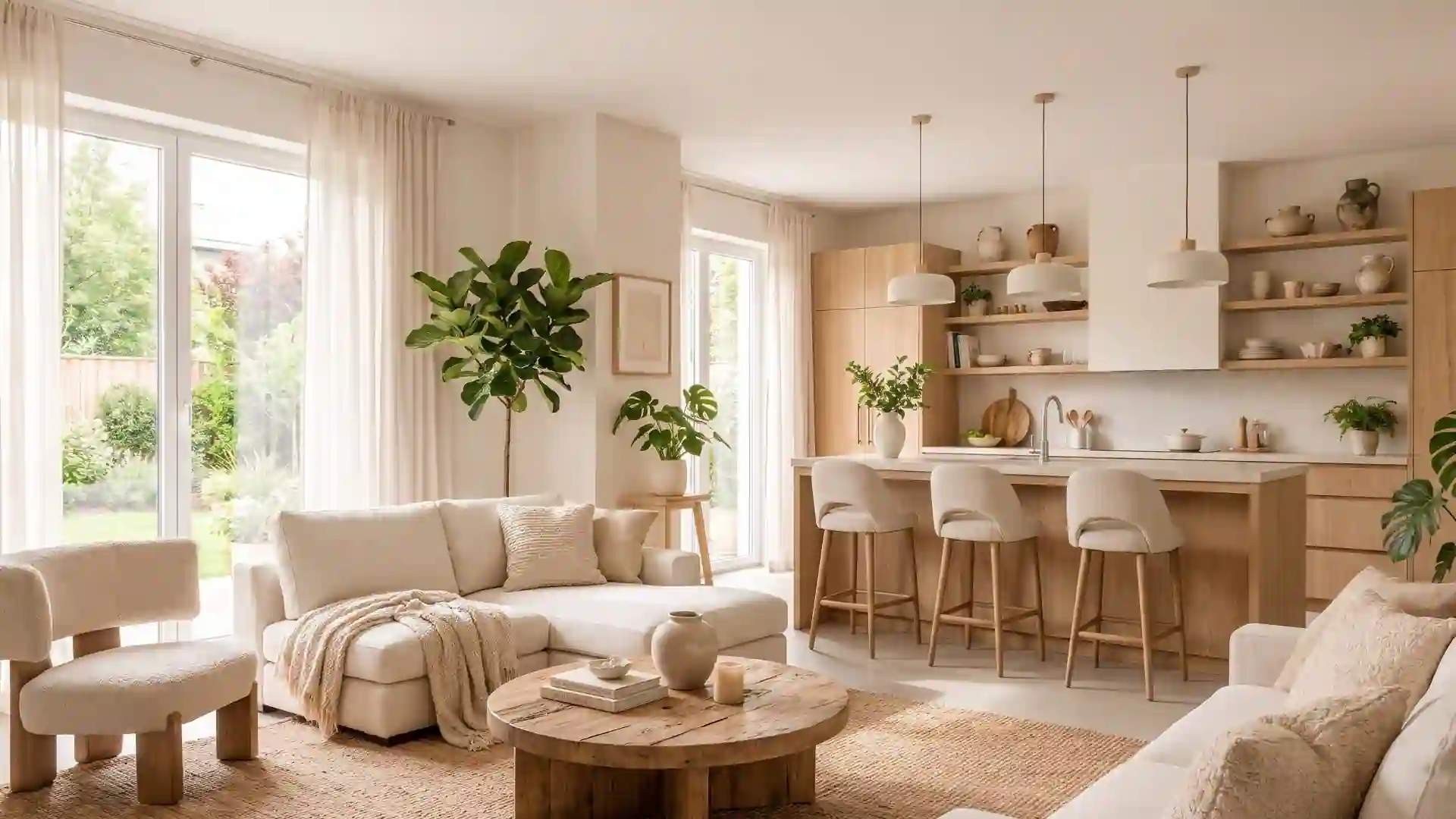
What makes a house feel like a home? For some people, it’s a beautifully decorated living room or a kitchen that’s perfect for entertaining. For others, it’s having a peaceful place to retreat to after a long day. But while these things contribute to how much you enjoy your home, some of the biggest improvements to your quality of life come from features you barely notice.
From better ventilation to clever storage solutions, these often-overlooked features can make a surprising difference to how your home looks, feels, and functions. If you’re planning improvements, here are a few worth considering.
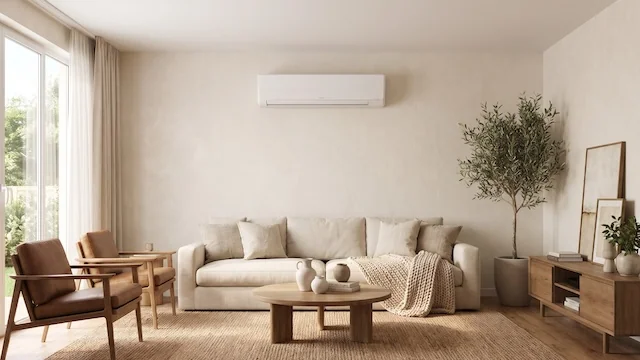
A Reliable Heating and Cooling System
It’s easy to take your home’s temperature for granted until something goes wrong. Maybe your bedroom gets unbearably hot in summer, or your living room never seems to warm up properly in winter. Either way, uncomfortable temperatures can affect everything from your sleep to your productivity.
A reliable heating and cooling system helps maintain a comfortable environment year-round. Modern HVAC systems can also offer improved energy efficiency, better temperature control, and more consistent airflow.
Regular maintenance is just as important. Keeping filters clean and addressing small problems before they become expensive repairs can help everything run smoothly.
For homeowners living in particularly hot climates, professional support can make a noticeable difference. Specialists offering HVAC Tucson services can help homeowners maintain efficient heating and cooling systems suited to their local climate.
Lighting That Works With Your Daily Routine
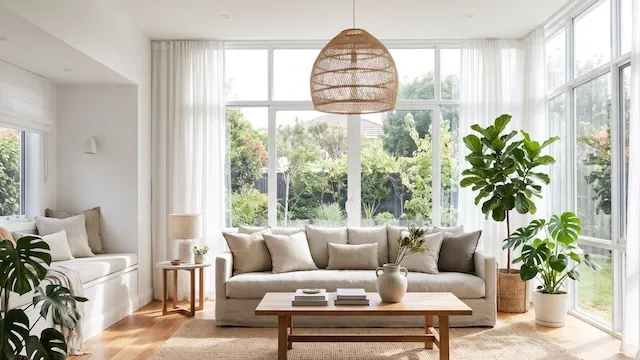
Lighting can completely change how a room feels, yet it’s often treated as an afterthought. A single ceiling fixture might provide enough light to see what you’re doing, but it doesn’t necessarily create a comfortable environment.
Different activities benefit from different lighting. Bright task lighting makes cooking, reading, and working easier, while softer lighting creates a relaxing evening atmosphere.
Combining overhead fixtures with table lamps, wall lights, and under-cabinet lighting gives you more flexibility. It’s also worth making the most of natural light by keeping windows unobstructed and positioning furniture thoughtfully.
Better Indoor Air Quality
Most people spend a significant amount of time inside their homes, but how often do they think about the air they’re breathing?
Dust, pet dander, cooking fumes, and other airborne particles can accumulate indoors, particularly in homes with limited ventilation. Poor indoor air quality can contribute to discomfort and aggravate allergies or respiratory symptoms.
Fortunately, improving your home’s air doesn’t always require major renovations. Regular vacuuming, effective HVAC filters, and proper ventilation in bathrooms and kitchens are sensible starting points.
You might also consider an air purifier in rooms you use often. Controlling humidity matters too, as excess moisture can encourage mold growth, while overly dry air can cause irritation.
Storage That Makes Everyday Life Easier
There’s something satisfying about walking into a room where everything has its place. Unfortunately, lots of homes lack practical storage, leaving everyday items scattered across countertops, tables, and floors.
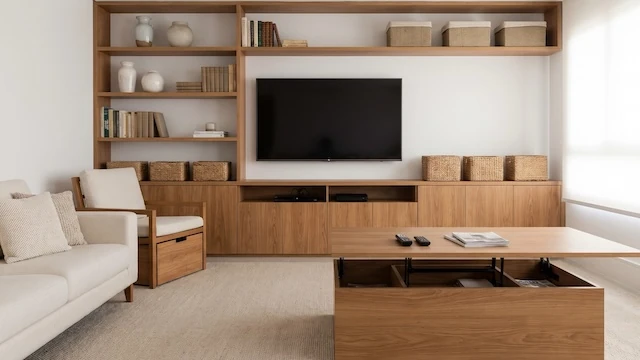
The solution isn’t necessarily buying more cabinets. It’s about making better use of the space you have. Built-in shelving, under-bed drawers, pull-out kitchen organizers, and furniture with hidden compartments can reduce clutter without sacrificing floor space. Even simple additions, such as hooks near the front door or kitchen drawer dividers, can make daily routines easier.
Think about where clutter accumulates in your home and choose storage solutions that address those particular problems. When everything is organized and easy to find, you spend less time searching and more time enjoying your surroundings.
Effective Soundproofing
Noise can affect your quality of life more than you might realize. Whether it’s traffic, noisy neighbors, or family members watching television, unwanted sound can make it hard to relax or concentrate.
Fortunately, you don’t need to completely soundproof your property to notice improvements. Thick curtains, rugs, upholstered furniture, and weatherstripping around doors can help reduce certain types of noise. For bigger problems, upgrading windows or adding insulation to interior walls may be worth it.
Pay particular attention to bedrooms and home offices, where peace and quiet can make a substantial difference. Creating even one quieter space gives you somewhere to unwind or enjoy uninterrupted sleep.
Smart Home Features That Save Time
Smart home technology often gets associated with expensive gadgets and complicated setups. However, some of the most useful features are surprisingly simple.
Programmable thermostats, motion-activated lighting, smart plugs, and automated blinds can remove small inconveniences from your routine. Having your thermostat adjust automatically when you’re away can reduce unnecessary energy use, while motion-activated hallway lights are convenient at night.
The trick is choosing technology that solves genuine problems rather than installing devices simply because they’re available. Start by identifying repetitive tasks or frustrations around your home and finding practical ways to address them.
A More Comfortable Bedroom Environment
A good night’s sleep can influence your mood, concentration, and energy levels, making your bedroom one of the most important spaces in your home.
While a comfortable mattress is essential, several other features contribute to restful sleep.
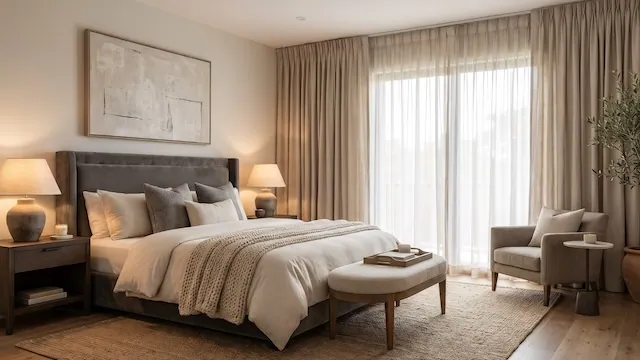
Blackout curtains can reduce unwanted light, particularly during early summer mornings. Good ventilation and proper temperature control can keep your bedroom from getting stuffy or uncomfortable overnight.
It’s also worth considering the layout. Keeping pathways clear, minimizing clutter, and choosing gentle bedside lighting can help the room feel calmer. Even small changes, such as replacing uncomfortable bedding, can make your bedroom more relaxing.
Outdoor Spaces That Encourage You To Spend Time Outside
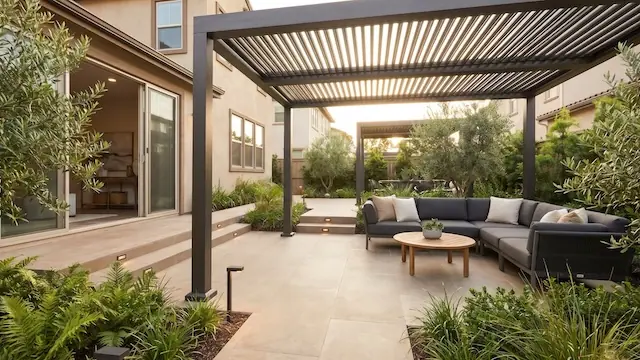
You don’t need a huge backyard to enjoy outdoor living. A small patio, balcony, or modest garden can become a valuable extension of your home when designed for comfort.
Consider comfortable seating, shade, and outdoor lighting to make the space more usable. If privacy is an issue, fencing, screens, or carefully positioned plants can create a more secluded atmosphere.
For homeowners in warmer climates, pergolas, retractable awnings, and strategically planted trees can make outdoor areas more comfortable. Having a pleasant place to enjoy morning coffee, read a book, or eat dinner encourages you to spend more time outside.
Small Accessibility Improvements
Accessibility features aren’t only useful for people with mobility challenges. Many practical changes can make a home easier and safer for everyone to navigate. Lever-style door handles, nonslip flooring, well-lit staircases, and walk-in showers can benefit households of different ages and abilities.
These features also make your home more adaptable as your needs change. When planning renovations, think beyond how your home works today. Wider pathways, convenient storage heights, and easy-to-use fixtures can create a living environment that remains practical for years to come.
Making Your Home Work Better For You
Improving your quality of life at home doesn’t always mean undertaking a complete renovation or spending thousands of dollars on upgrades. Often, the most rewarding changes involve fixing the little things that frustrate you every day.
Before committing to your next improvement project, think about what would genuinely make your everyday routine easier. You might discover that the upgrades you’ve overlooked are the ones you’ll appreciate most.
