
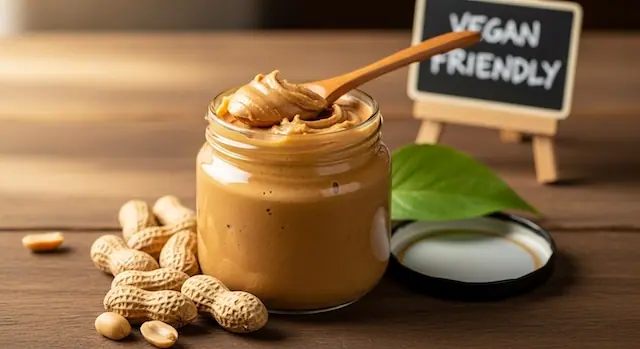
Peanut butter is a pantry staple enjoyed by millions of people around the world. Whether spread on toast, blended into smoothies, or used in baking, it is a convenient source of flavor, protein, and healthy fats. But if you follow a plant-based lifestyle, you may be wondering: is peanut butter vegan?
In most cases, the answer is yes. Traditional peanut butter is typically made from roasted peanuts and a small amount of salt, making it naturally vegan. However, some flavored and specialty varieties may contain ingredients such as honey, milk powder, or whey that are not suitable for a vegan diet.
In this guide, you’ll learn whether peanut butter is vegan, which ingredients to watch for, how peanut butter is made, whether it is dairy free, and how to choose the best vegan-friendly peanut butter products.
Is Peanut Butter Vegan?
Yes, peanut butter is vegan in most cases because it is typically made from roasted peanuts and sometimes a small amount of salt or oil. Since these ingredients are entirely plant based, traditional peanut butter is generally suitable for a vegan diet. However, some specialty varieties may contain animal derived ingredients, making label reading important.
At its core, peanut butter is a simple food. The basic recipe usually includes:
- Roasted peanuts
- Salt
- Plant based oils in some varieties
Because peanuts are naturally plant based, vegan peanut butter is widely available in grocery stores and online.
However, not every peanut butter product is automatically vegan. Some manufacturers add ingredients that are not considered vegan friendly. Common examples include:
- Honey
- Milk powder
- Whey protein
- Dairy based chocolate ingredients
- Butterfat
These ingredients are more commonly found in flavored, sweetened, or specialty peanut butter products than in traditional peanut butter.
If you are following a vegan diet, checking the peanut butter ingredients list is the easiest way to confirm whether a product is suitable. Many products also carry a Certified Vegan label, which can provide additional confidence.
It is also helpful to understand the difference between plant based ingredients and animal derived ingredients. While peanuts, vegetable oils, and sea salt are vegan friendly foods, ingredients sourced from dairy or honey are not considered vegan.
For most people, the answer to “can vegans eat peanut butter” is yes. Traditional peanut butter provides plant based protein, healthy fats, and a versatile way to add flavor and nutrition to meals and snacks.
The key takeaway is simple: most peanut butter is vegan, but flavored varieties may contain non vegan ingredients. A quick glance at the label can help you make an informed choice.
Can Vegans Eat Peanut Butter Every Day?
Yes, vegans can eat peanut butter every day as part of a balanced vegan diet. Peanut butter provides plant based protein, healthy fats, and several important nutrients, making it a convenient and nutritious food for many people who avoid animal products.
For vegans, getting enough protein and healthy fats can sometimes require careful planning. Peanut butter can help support these nutritional needs while adding flavor and versatility to meals and snacks.
A typical serving of peanut butter contains:
- Plant based protein
- Unsaturated healthy fats
- Fiber
- Vitamin E
- Magnesium
- Niacin
- Phosphorus
These nutrients contribute to overall health and can help support energy levels, muscle maintenance, and satiety throughout the day.
Peanut butter is also easy to incorporate into a vegan diet. You can enjoy it in many ways, including:
- Spread on whole grain toast
- Added to smoothies
- Mixed into oatmeal
- Paired with fruit such as apples or bananas
- Used in sauces, dressings, and baked goods
Looking for more ways to incorporate plant-based ingredients into everyday meals? Check out 7 Tips For Cooking Vegan Food.
One reason vegan peanut butter is popular is that it combines protein and fat, which can help keep you feeling full between meals. This makes it a practical option for busy schedules or post workout snacks.
However, daily consumption should still be balanced with your overall calorie and nutrient intake. Peanut butter is nutrient dense, but it is also relatively high in calories. Eating large amounts regularly may make it easier to exceed your daily energy needs.
If you have a peanut allergy, peanut butter should be avoided entirely. In that case, other nut or seed butters may provide similar nutritional benefits.
For most people following a vegan diet, enjoying peanut butter every day can be a healthy choice when consumed in reasonable portions and as part of a varied eating pattern that includes fruits, vegetables, whole grains, legumes, nuts, and seeds.
According to USDA FoodData Central, peanut butter contains protein, healthy fats, vitamin E, and several important minerals.
What Ingredients Make Peanut Butter Non-Vegan?
Some peanut butter products are not vegan because they contain animal-derived ingredients such as honey, milk powder, whey, or butterfat. While traditional peanut butter is usually made from plant-based ingredients, flavored and specialty varieties may include additives that are unsuitable for a vegan diet.
When choosing peanut butter, look for products with simple peanut butter ingredients. Options made primarily from roasted peanuts and salt are often the most nutritious choices. Some products contain added sugar, excessive sodium, or additional oils that may not align with your dietary goals.
Most vegan peanut butter contains only a few simple ingredients. However, manufacturers sometimes add ingredients to enhance sweetness, texture, or flavor.
Common non-vegan ingredients to watch for include:
- Honey
- Milk powder
- Whey
- Casein
- Butterfat
- Dairy-based chocolate ingredients
Honey is one of the most common ingredients that makes peanut butter unsuitable for vegans. It is often used as a natural sweetener in flavored varieties. If you’re unsure why many vegans avoid honey, read our guide on Is Honey Vegan? A Clear Guide to Vegan Perspectives for a detailed explanation of different vegan viewpoints.
Dairy ingredients may also appear in chocolate flavored peanut butter products. Milk powder and whey are commonly used to create a creamier texture or richer taste.
Before purchasing a product, carefully review the peanut butter ingredients list. Even products that appear plant based at first glance may contain hidden animal-derived ingredients.
Is This Butter Dairy Free?
Most peanut butter is dairy free because it is typically made from roasted peanuts, salt, and sometimes plant-based oils. However, not every peanut butter product is dairy free, particularly flavored varieties that contain milk-based ingredients.
A product can be dairy free without being vegan, and vegan without being dairy free if manufacturing practices vary. Therefore, it is important to check labels rather than making assumptions.
Ingredients that indicate dairy content include:
- Milk powder
- Whey protein
- Casein
- Butterfat
- Milk chocolate
Traditional peanut butter made from peanuts and salt is naturally dairy free and suitable for people avoiding dairy products.
If you have a dairy allergy or follow a strict vegan diet, reading ingredient labels remains the safest approach.
How Is Peanut Butter Made?
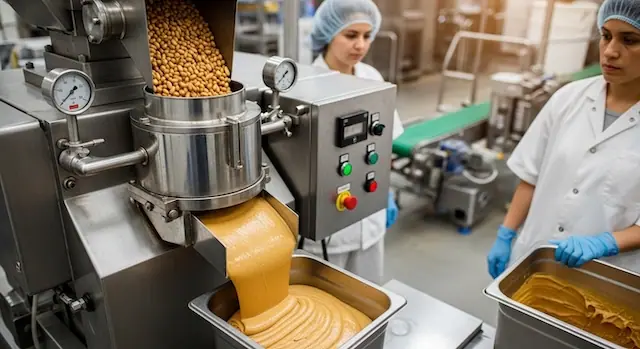
Peanut butter is made by roasting peanuts and grinding them into a smooth or crunchy paste. The basic manufacturing process uses plant-based ingredients, which is why most peanut butter is considered vegan.
The process typically involves several steps:
- Peanuts are harvested and cleaned.
- The peanuts are roasted to enhance flavor and aroma.
- Skins are removed after roasting.
- The peanuts are ground into a paste.
- Additional ingredients may be added.
- The peanut butter is packaged for sale.
Depending on the product, manufacturers may add:
- Salt
- Sugar
- Palm oil
- Other vegetable oils
- Flavorings
The texture of peanut butter depends on how long the peanuts are ground. Smooth varieties are processed longer, while crunchy varieties retain small peanut pieces.
Is 100% Peanut Butter Vegan?
Yes, 100% peanut butter is vegan because it contains only peanuts and no animal-derived ingredients. Products made exclusively from peanuts are often preferred by people following a vegan diet because they contain the fewest additives.
Many consumers choose 100% peanut butter because it offers:
- Simple ingredients
- No added sugars
- No dairy ingredients
- No honey
- High plant-based protein content
How Can You Tell If Peanut Butter Is Vegan?
You can tell if peanut butter is vegan by reviewing the ingredient list and checking for animal-derived ingredients. Most traditional peanut butter is vegan, but flavored products may contain ingredients that are not suitable for vegans.
When evaluating a product, look for:
- A Certified Vegan label
- Short ingredient lists
- Plant-based ingredients
- Absence of dairy ingredients
- Absence of honey
Pay particular attention to ingredient lists on:
- Chocolate peanut butter
- Honey roasted varieties
- Dessert flavored spreads
- Specialty nut butter blends
A Certified Vegan label can provide additional assurance, but reading the ingredients remains important because formulations can change over time.
If you are unsure about a product, contacting the manufacturer directly may provide clarification.
Does Peanut Butter Contain Palm Oil and Why Does It Matter?
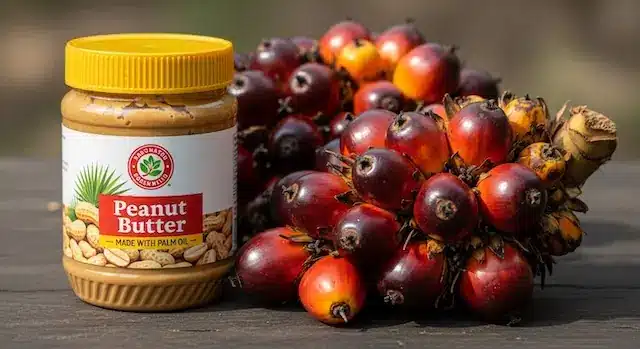
Some peanut butter products contain palm oil to improve texture and reduce natural oil separation. While palm oil is plant based and technically vegan, some vegans choose to avoid it because of environmental concerns associated with its production.
Palm oil is often added to create:
- A smoother texture
- Better spreadability
- Longer shelf stability
Many consumers seek palm oil free peanut butter because of concerns about:
- Deforestation
- Habitat loss
- Biodiversity impacts
- Sustainability practices
It is important to note that not all palm oil production is the same. Some producers participate in sustainability certification programs aimed at reducing environmental harm.
If palm oil is a concern for you, choose products with simple ingredient lists consisting primarily of peanuts and salt.
Consumers interested in sustainable palm oil practices can learn more through the Roundtable on Sustainable Palm Oil (RSPO).
Which Peanut Butter Brands Are Vegan?
Many peanut butter products are vegan, but ingredient lists can vary between brands and even between different products from the same manufacturer. Rather than relying on brand reputation alone, always review the label before purchasing.
When shopping for vegan peanut butter, look for products that contain:
- Peanuts
- Salt
- Plant-based oils if added
Avoid products containing:
- Honey
- Milk powder
- Whey
- Casein
- Butterfat
A good vegan peanut butter typically has a short ingredient list and clearly identifies any allergens or additional ingredients.
Because recipes can change, checking labels every time you purchase a product is a good habit.
Is It a Healthy Choice for Vegans?
Peanut butter can be a healthy addition to a vegan diet because it provides plant-based protein, healthy fats, vitamins, minerals, and fiber. When consumed in appropriate portions, it can support overall nutrition and help make vegan meals more satisfying.
Key nutrients found in peanut butter include:
- Protein
- Healthy fats
- Vitamin E
- Magnesium
- Niacin
- Phosphorus
- Fiber
Potential benefits include:
- Increased satiety
- Convenient energy source
- Support for muscle maintenance
- Easy addition to meals and snacks
If your goal is healthy weight management while following a plant-based lifestyle, our 30 Day Vegan Weight Loss Diet Plan includes practical meal ideas and nutrition tips.
Peanut butter is especially useful for vegans seeking additional calories and protein from whole food sources.
However, portion size remains important. Peanut butter is calorie dense, and some products contain added sugar or excess sodium.
For the healthiest option, choose products made primarily from roasted peanuts with minimal added ingredients.
Is Peanut Butter Vegan or Vegetarian?
Peanut butter is typically both vegan and vegetarian because it is generally made from peanuts and other plant-based ingredients. However, certain specialty products may contain honey or dairy ingredients, making them vegetarian but not vegan.
The distinction comes down to the ingredients used.
Vegetarians typically avoid meat but may consume:
- Dairy products
- Honey
- Eggs
Vegans avoid all animal-derived ingredients, including:
- Dairy
- Honey
- Eggs
- Animal-based additives
Understanding which ingredients are vegan-friendly can sometimes be confusing. For another commonly asked question, see Is Yeast Vegan? Can Vegans Eat Yeast?
As a result, a peanut butter product containing honey may still be vegetarian but would not be considered vegan.
Most traditional peanut butter products made from peanuts and salt fit comfortably within both vegetarian and vegan eating patterns. The ingredient list remains the best tool for determining whether a specific product aligns with your dietary preferences.
Final Thoughts
So, is peanut butter vegan? In most cases, yes. Traditional peanut butter is typically made from roasted peanuts and sometimes a small amount of salt or plant-based oil, making it a naturally vegan-friendly food.
However, not all peanut butter products are created the same. Some flavored or specialty varieties may contain honey, milk powder, whey, or other animal-derived ingredients. That is why checking the ingredient list remains important, even when purchasing a product that appears plant based.
For most people following a vegan diet, peanut butter can be a nutritious addition to everyday meals. It provides plant-based protein, healthy fats, and essential nutrients while offering plenty of versatility in snacks, breakfasts, and recipes.
When shopping for vegan peanut butter, look for products with simple ingredients, minimal additives, and clear labeling. Options made primarily from peanuts are often the easiest way to ensure the product aligns with your dietary preferences.
Peanut butter works best as part of an overall balanced eating pattern. For more nutrition advice, see 7 Effective Tips For Your Healthy Diet.
Ultimately, peanut butter remains one of the most accessible and convenient vegan-friendly foods available. By taking a few seconds to review the label, you can confidently enjoy peanut butter as part of a balanced and nutritious plant-based lifestyle.
Frequently Asked Questions
Q: Is peanut butter ok for vegans?
A: Yes, peanut butter is usually ok for vegans because it is typically made from roasted peanuts and other plant-based ingredients. However, some products contain honey, milk powder, or other animal-derived ingredients, so checking the label is always a good idea.
Q: Why do vegans not eat butter?
A: Vegans do not eat butter because it is made from cow’s milk, making it an animal product rather than a plant-based food. Instead, many choose dairy-free spreads made from plant-based ingredients.
Q: Why do vegans not eat honey?
A: Vegans do not eat honey because it is produced by bees and is considered an animal-derived food. Many people following a vegan diet prefer plant-based sweeteners such as maple syrup or agave nectar.
Q: What is the most unhealthy vegan food?
A: There is no single most unhealthy vegan food, but highly processed vegan snacks and desserts can be high in sugar, salt, and unhealthy fats. A balanced vegan diet focuses more on whole foods, plant-based protein, and nutrient-rich ingredients.
Q: What food can add 33 minutes to your life?
A: Some research suggests that replacing processed foods with nutrient-dense foods such as nuts, legumes, and whole grains may support longevity. While no single food guarantees extra years of life, healthy dietary choices can contribute to better long-term health outcomes.
