

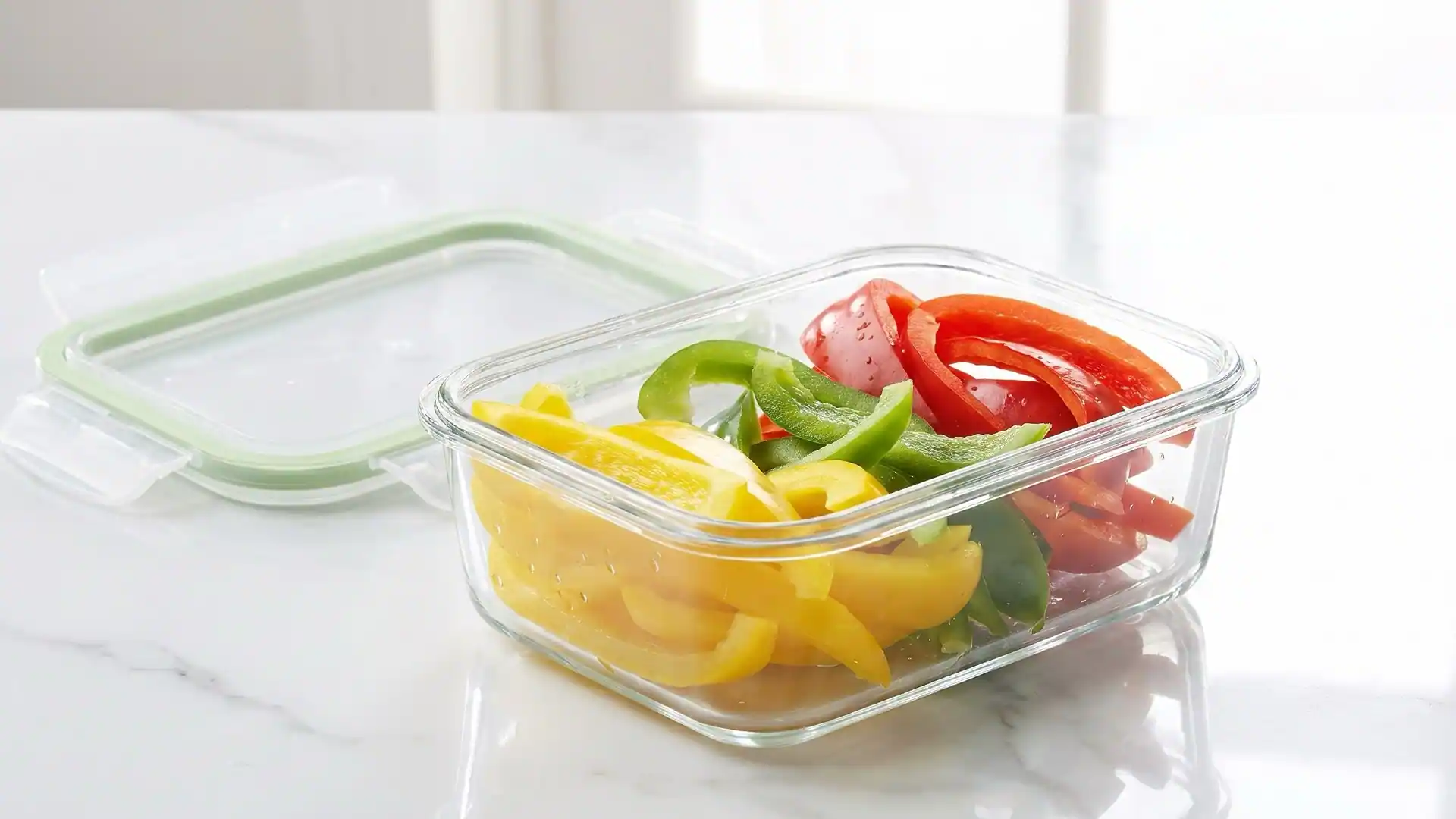
Cut bell peppers are convenient for quick meals, side salad recipes, snacks, and stir-fries, but they can lose their crisp texture if stored incorrectly. Knowing how to store cut bell peppers helps reduce moisture buildup, slow spoilage, and prevent food waste. Whether you have leftover pepper halves, sliced strips, or chopped pieces, proper refrigerator storage can help maintain their quality. This guide explains the best storage containers, how long cut peppers last, how to identify spoilage, and how to freeze leftovers for future meals.
How to Store Cut Bell Peppers in the Fridge
To store cut bell peppers in the refrigerator, wash and dry them thoroughly, remove the stems and seeds, and place the pieces in a clean, airtight container. Refrigerate them promptly at 40°F (4°C) or below and use them within 2 to 3 days for the best quality.
Follow these steps to keep your cut bell peppers fresh:
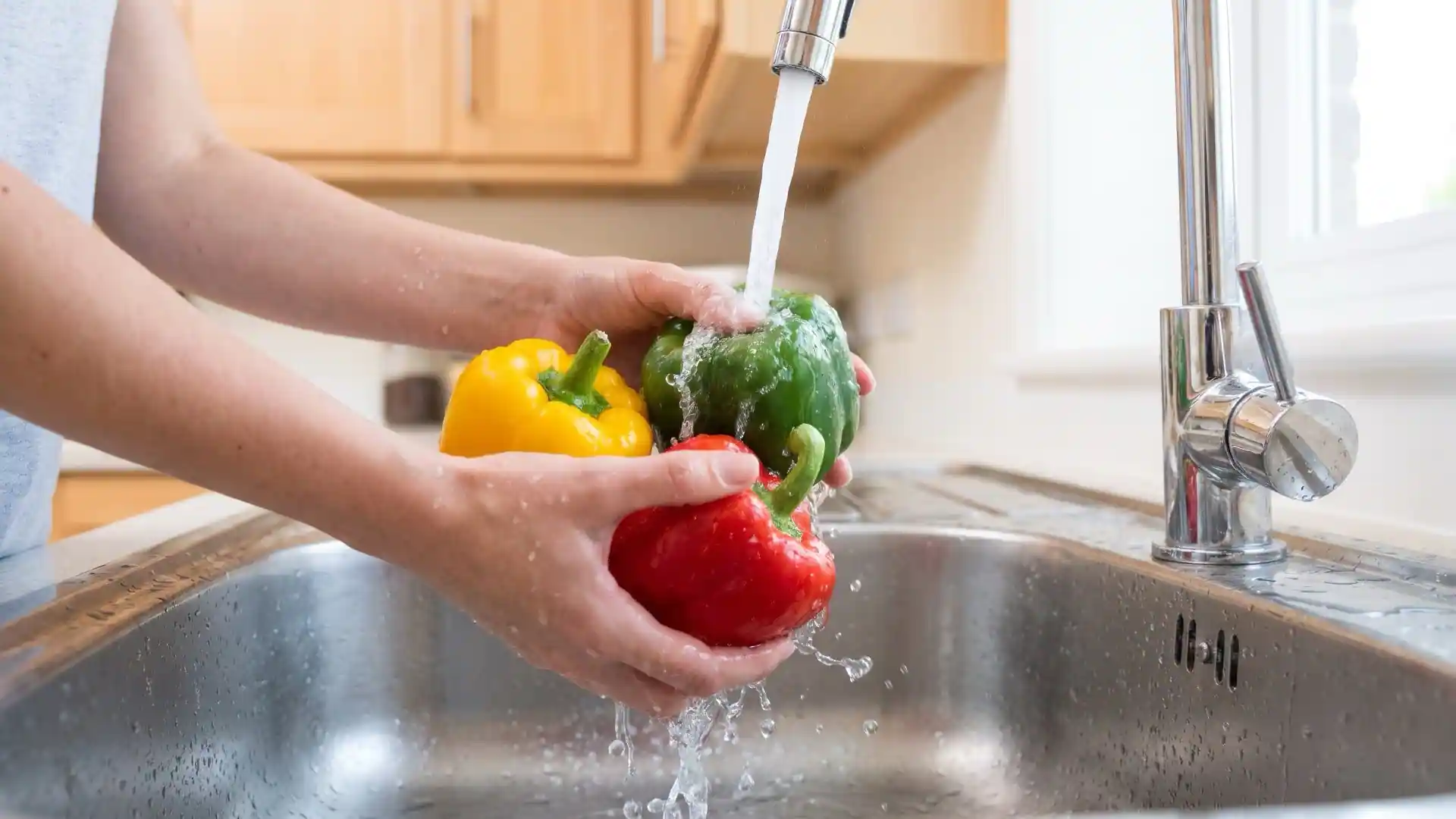
- Wash the whole peppers: Rinse bell peppers under cool, running water before cutting. Avoid using soap or detergent.
- Dry them completely: Pat the peppers dry with a clean kitchen towel or paper towel. Removing excess moisture helps prevent sogginess during storage.
- Remove the stems and seeds: Cut away the stems, seeds, and white inner membranes.
- Cut them as needed: Halve, slice, or chop the peppers according to how you plan to use them.
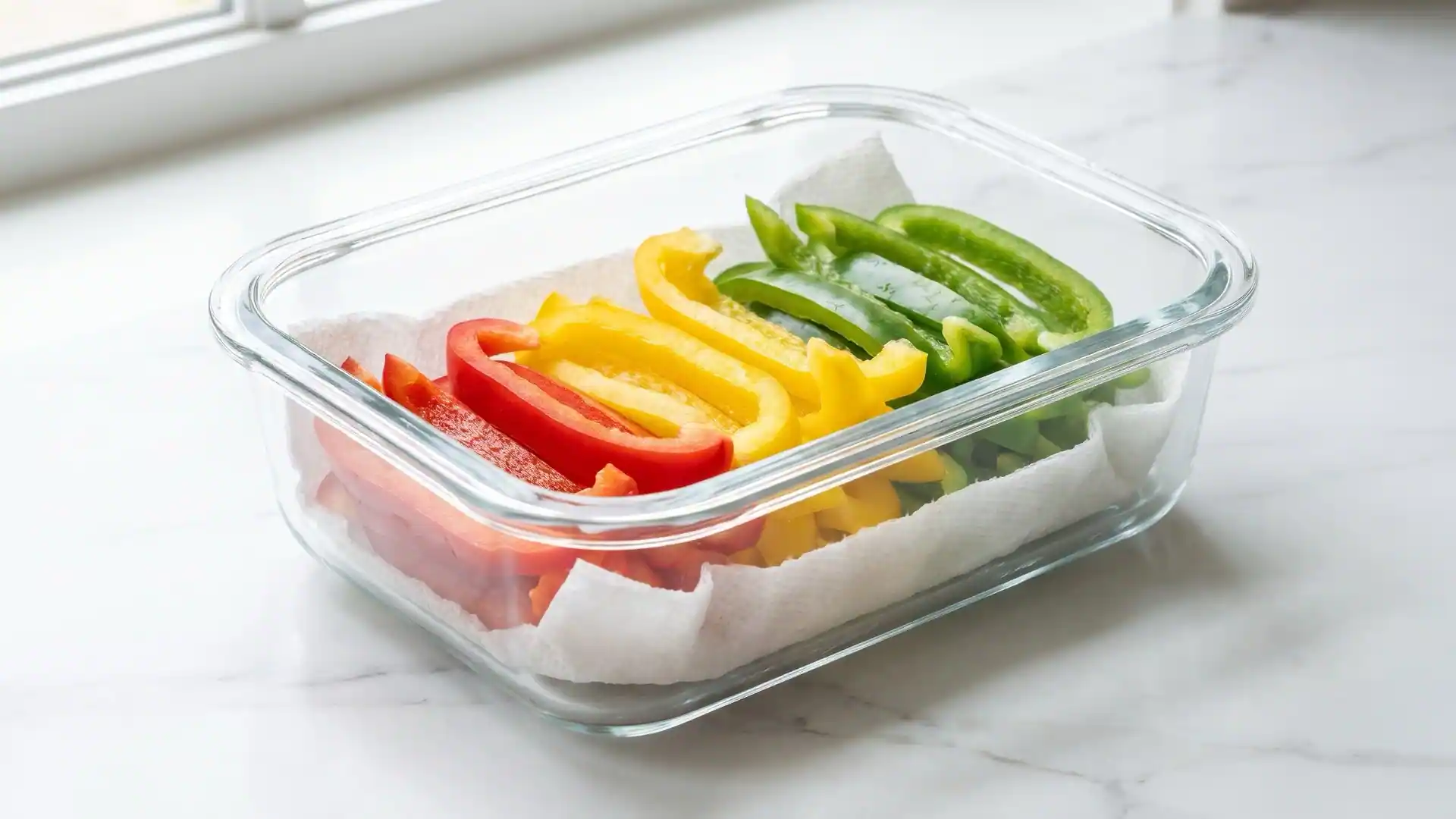
- Choose a suitable container: Place the pieces in a clean, airtight, food-safe container. You can line the bottom with a dry paper towel to absorb excess condensation.
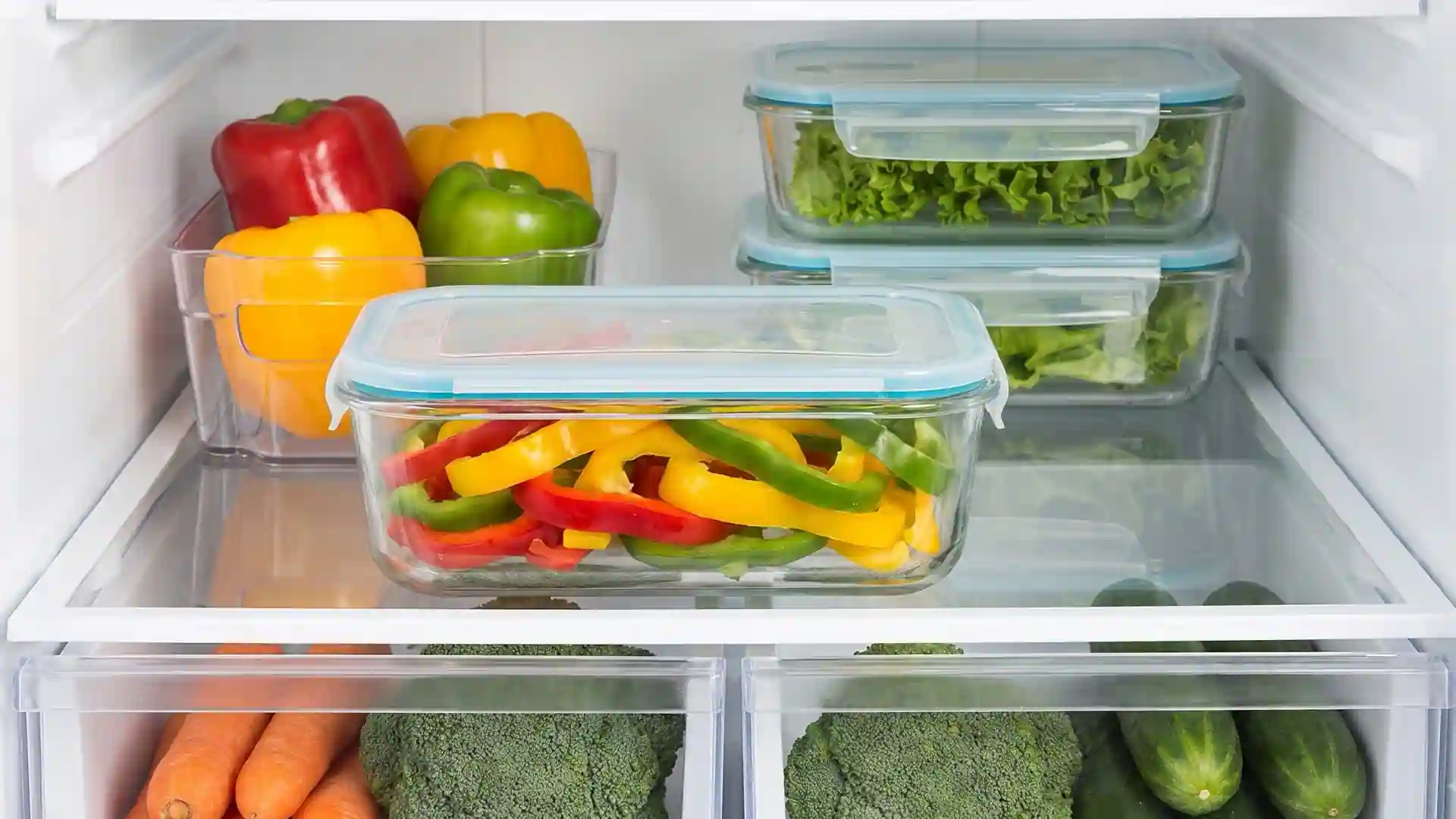
- Seal and refrigerate: Close the container securely and place it in the refrigerator at 40°F (4°C) or below.
- Check before use: Inspect the peppers for sliminess, mould, unusual softness, or an unpleasant smell before adding them to your meals.
The University of Minnesota Extension recommends storing cut bell peppers in a covered container in the refrigerator for up to two days, while UC San Diego suggests up to three days in an airtight container. Therefore, 2 to 3 days is a practical guideline for best quality, not a guarantee of safety.
Food safety tip: Keep cut peppers separate from raw meat, poultry, and seafood. Refrigerate them promptly, and do not leave perishable cut produce at room temperature for more than two hours, or one hour when the temperature is above 90°F (32°C).
Should You Wash Cut Bell Peppers Before Refrigerating Them?
Wash whole bell peppers under running water before cutting them. Dry them thoroughly before slicing so that excess water does not collect in the storage container.
If you have already cut the peppers, avoid rinsing them again unless necessary. Additional water can make the pieces wet and encourage moisture buildup during storage. If you do wash them, dry them carefully before refrigerating.
Never use soap or detergent to wash bell peppers. Plain running water is sufficient for routine home preparation.
How to Store Halved Bell Peppers
To store leftover pepper halves, remove the seeds and stem, then place the halves in a clean airtight container with the cut sides facing down or facing one another.
You can also place the halves in a sealed food-safe bag. Press out excess air without crushing the peppers and refrigerate them.
Keep the halves separate from raw meat, poultry, and seafood to prevent cross-contamination. Use them within two to three days for the best quality.
How to Store Sliced and Chopped Bell Peppers
Sliced and chopped bell peppers have more exposed surface area than larger pieces. Store them in a clean, covered container or sealed food-safe bag and refrigerate them promptly.
For convenient meal prep, divide the pieces into small portions before storing. This helps you take out only what you need without repeatedly handling the entire batch.
Use clean hands or utensils when removing peppers from the container. Return the remaining pieces to the refrigerator promptly.
What Is the Best Container for Storing Sliced Bell Peppers?
The best container for sliced bell peppers is a clean, airtight container that protects the pieces from drying out and prevents them from absorbing odours from other foods. Glass containers, food-safe plastic containers, and resealable storage bags can all work well.
1. Using Airtight Glass Containers for Bell Peppers
Glass containers with secure lids are a convenient option for storing sliced or chopped bell peppers. They are easy to clean, do not retain food odours as readily as some plastics, and allow you to see the contents.
Choose a container that fits the amount of pepper you have. Avoid leaving a large amount of empty space if a smaller container is available.
2. Storing Cut Peppers in Food-Safe Plastic Containers
Food-safe plastic containers are lightweight and practical for everyday refrigerator storage. Choose a container with a secure-fitting lid and make sure it is clean and completely dry before adding the peppers.
Check the container regularly for condensation. If water collects inside, remove the peppers, dry them gently, and replace the container with a clean, dry one.
3. Using Resealable Bags for Sliced Bell Peppers
Resealable food storage bags are useful for storing pepper strips and small chopped pieces. They take up less space than rigid containers and make portioning easy.
Place the dry peppers inside, press out excess air, and seal the bag. Store it in the refrigerator rather than leaving it on the counter.
Does the Paper Towel Method Keep Bell Peppers Fresh?
A clean, dry paper towel can help absorb excess moisture inside a storage container. Place one beneath or alongside the pepper pieces, making sure it does not become excessively wet.
Replace the paper towel if it becomes damp. This method can help manage condensation, but it does not sterilize the peppers, prevent all spoilage, or extend their safe storage period.
The most important steps remain prompt refrigeration, clean handling, and keeping the container covered.
How Long Do Cut Bell Peppers Last in the Fridge?
Cut bell peppers generally maintain their best quality for about 2 to 3 days when stored in a covered container in the refrigerator. The University of Minnesota recommends using cut peppers within two days, while the University of California San Diego gives a storage guideline of up to three days.
Keep the refrigerator at 40°F (4°C) or below. The actual quality of your peppers depends on their freshness before cutting, handling, and storage conditions.
| Type of cut bell pepper | Recommended storage period for best quality |
|---|---|
| Halved bell peppers | About 2 - 3 days |
| Sliced bell peppers | About 2 - 3 days |
| Chopped bell peppers | About 2 - 3 days |
These are quality guidelines, not guarantees of food safety. Refrigerate cut peppers promptly, keep them covered, and discard any that show signs of spoilage.
How Long Can Cut Bell Peppers Stay Out of the Fridge?
Do not leave cut bell peppers at room temperature for more than two hours. If the temperature is above 90°F (32°C), refrigerate them within one hour. Discard cut peppers left out longer than these limits rather than returning them to the refrigerator.
Do Bell Peppers Last Longer in the Fridge or on the Counter?
Cut bell peppers last longer in the refrigerator than on the counter. Store them in a covered container at 40°F (4°C) or below to help maintain their quality and reduce the risk of foodborne illness.
Can Cut Bell Peppers Last for One Week?
A week is longer than the recommended 2 to 3-day quality guideline for cut bell peppers. If you cannot use them within a few days, freeze them instead of keeping them refrigerated for an entire week.
How to Tell If Cut Bell Peppers Have Gone Bad
Discard cut bell peppers if they develop mould, a slimy surface, an unpleasant smell, or clear signs of decay. Do not taste questionable peppers to check whether they are still good.
Check the following signs before using refrigerated peppers.
1. Slimy or Sticky Surface
Fresh cut bell peppers should feel firm and moist, not slippery or slimy. A sticky coating or slimy surface can indicate spoilage.
Discard peppers that have developed this texture.
2. Mold Growth
Look for fuzzy spots or unusual growth on the cut surface, around the seeds, or inside the container.
If you see mould on cut bell peppers, discard the affected contents rather than simply cutting away the visible spot. Mould can extend beyond the area you can see.
3. Unpleasant Smell
Fresh bell peppers have a mild, fresh vegetable smell. A sour, fermented, rotten, or otherwise unusual odour is a reason to discard them.
Do not taste the peppers to confirm whether they have spoiled.
4. Excessive Softness
Bell peppers naturally lose some firmness as they age. However, pieces that have become mushy, collapsed, or unusually wet may be deteriorating.
Check for other spoilage signs and discard peppers that appear rotten.
5. Discoloration
Some loss of brightness can occur during storage. However, unusual dark patches, extensive discoloration, or discoloured areas combined with softness or a bad smell can indicate spoilage.
When in doubt, throw the peppers away.
When Should You Throw Away Bell Peppers?
Throw away cut bell peppers if you notice mould, slime, a rotten smell, or significant decay. Also discard them if they have been left unrefrigerated beyond the recommended time limits.
Do not assume that cooking spoiled peppers will make them safe to eat. When you are unsure how the peppers were stored or whether they have spoiled, it is safer to discard them.
How to Freeze Cut Bell Peppers for Long-Term Storage
You can freeze cut bell peppers raw or blanch them briefly before freezing. Raw freezing is convenient and allows you to use the peppers in uncooked or cooked foods, although their texture may become softer after thawing.
Freezing is useful when you have more peppers than you can use within a few days. For the best results, prepare them while they are still fresh.
Step 1: Wash and Prepare the Peppers
Rinse the bell peppers under running water and dry them thoroughly. Remove the stems, seeds, and inner membranes.
Discard any peppers that already show signs of spoilage. Freezing does not make spoiled food safe.
Step 2: Slice or Chop the Peppers
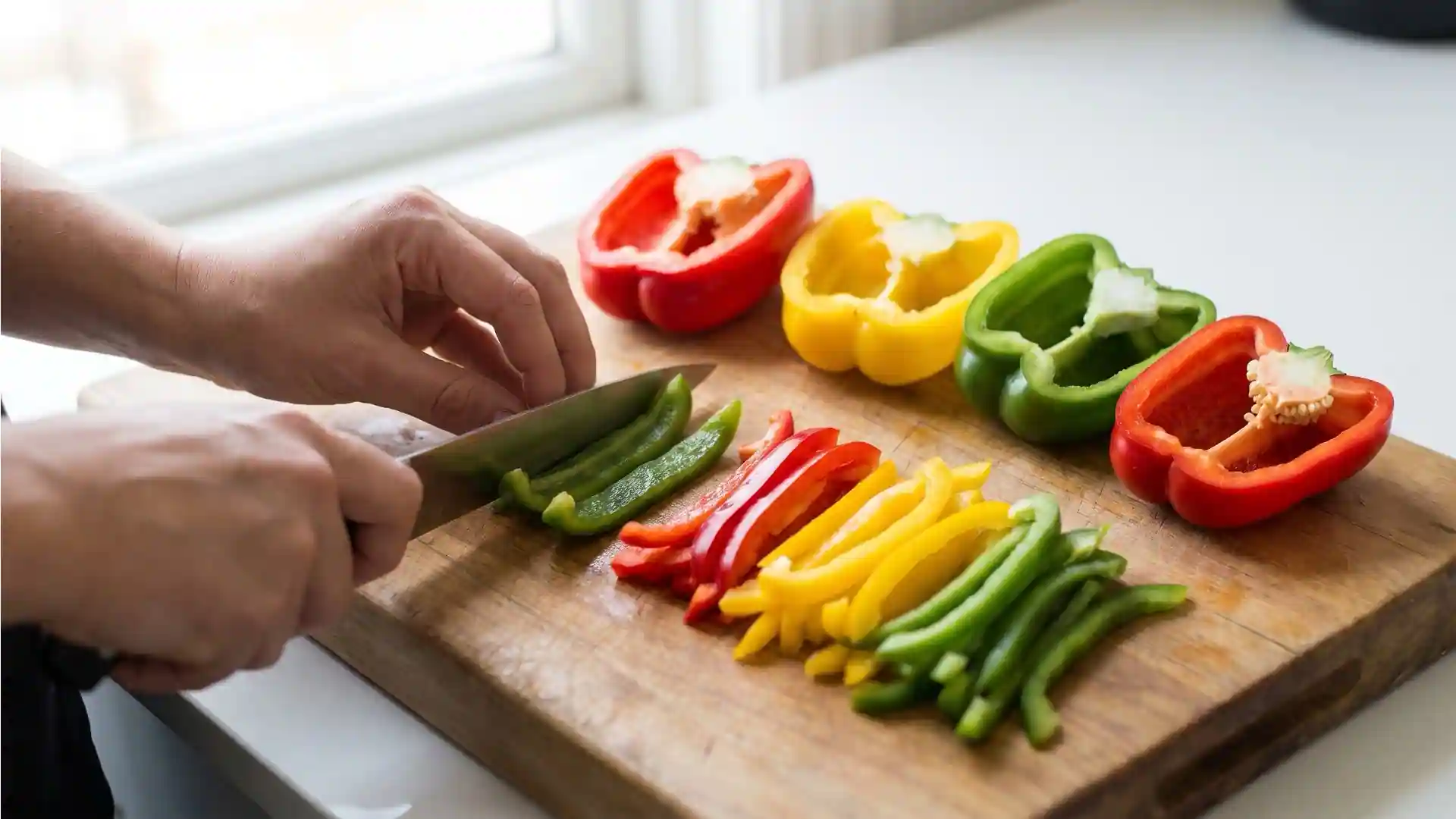
Cut the peppers into strips, rings, or small pieces depending on how you plan to use them.
Try to keep the pieces a similar size so they freeze evenly and are easy to portion later.
Step 3: Freeze the Pieces Separately
Spread the dry pepper pieces in a single layer on a baking sheet. Make sure the pieces are not packed tightly together.
Place the tray in the freezer until the pieces are firm. This step helps prevent them from freezing into one large clump.
Step 4: Transfer to Freezer Bags or Containers
Move the frozen pieces into a labelled freezer-safe bag or airtight container. Remove as much excess air as possible before sealing.
Write the freezing date on the package so you can keep track of how long the peppers have been stored. Keep the freezer at 0°F (-18°C) or below.
Step 5: Use Frozen Bell Peppers in Cooked Meals
You can add frozen bell peppers directly to many cooked dishes, such as soups, stews, sauces, casseroles, veg biryani, and stir-fries.
Their texture may be softer than fresh peppers after freezing, so they may not be ideal when you want the crisp texture of freshly cut vegetables.
The National Center for Home Food Preservation explains that sweet peppers can be frozen either raw or after blanching. It notes that raw-frozen peppers can be used in uncooked or cooked foods, while blanched peppers are intended for cooking.
Practical Tips for Keeping Bell Peppers Fresh Longer
A few simple storage habits can help keep cut bell peppers crisp and fresh for longer. Follow these tips to reduce moisture buildup, maintain texture, and avoid premature spoilage.
- Choose fresh peppers: Start with firm bell peppers that have smooth, shiny skin and no soft spots, wrinkles, or signs of damage.
- Keep cut peppers dry: After washing, dry the peppers thoroughly with a clean kitchen towel or paper towel before cutting and storing them. Excess moisture can encourage spoilage.
- Use a clean, airtight container: Store cut peppers in a clean, food-safe container with a secure lid to protect them from drying out and absorbing odours from other foods.
- Refrigerate promptly: Place cut bell peppers in the refrigerator at 40°F (4°C) or below. Do not leave them at room temperature for extended periods.
- Store in convenient portions: Divide larger quantities into smaller portions so you only open the container when needed.
- Check before using: Look for sliminess, mould, an unpleasant smell, or significant softening. Discard peppers that show signs of spoilage rather than trying to remove only the affected area.
For the best quality, use refrigerated cut bell peppers within about 2 to 3 days. If you cannot use them within that time, freeze them for longer storage.
Read More: How to Store Fresh Ginger
Final Thoughts
The best way to store cut bell peppers is to keep them dry, place them in a clean, covered container, and refrigerate them promptly at 40°F (4°C) or below. For the best quality, aim to use them within two to three days.
If you have more peppers than you can use, freeze the extra pieces while they are still fresh. With clean handling and the right storage method, you can keep bell peppers convenient for everyday meals while reducing food waste.
Frequently Asked Questions
Q: Can you store cut bell peppers in water?
A: It is better to store cut bell peppers dry rather than submerged in water. Drain and dry the pieces before placing them in a clean, covered container. Excess moisture can affect their texture during storage.
Q: Can you store different colours of bell peppers together?
A: Yes. You can store sliced red, yellow, orange, and green bell peppers together in the same clean, airtight container. Make sure the pieces are dry and refrigerate the container promptly.
Q: Can you freeze bell pepper scraps?
A: Yes. Clean bell pepper pieces left over after removing the stems, seeds, and membranes can be frozen if they are still fresh and have been handled safely. Place the pieces in a freezer-safe bag or container and use them in cooked dishes such as soups, sauces, and stir-fries.
Food Storage Sources
- University of Minnesota Extension: Bell Peppers – Guidance on storing cut bell peppers in the refrigerator.
- University of California San Diego: Peppers – Storage guidance for cut bell peppers.
- U.S. Food and Drug Administration: Selecting and Serving Produce Safely – Safe produce handling, refrigeration, and preventing cross-contamination.
- Centers for Disease Control and Prevention: Preventing Food Poisoning – Refrigerator temperatures and room-temperature storage limits.
- National Center for Home Food Preservation: Freezing Bell or Sweet Peppers – Instructions for freezing raw and blanched peppers.
